What is hazardous material abatement?
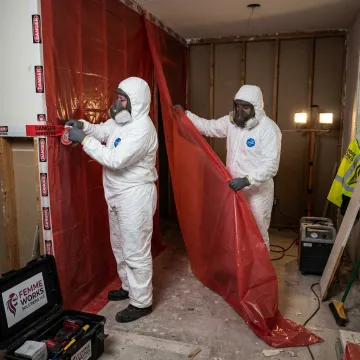
Hazardous material abatement is the controlled identification, containment, removal, cleaning, and disposal of materials that can harm health or contaminate a building. Common examples include asbestos, vermiculite insulation that may contain asbestos, mold contamination, and hazardous demolition debris. A certified abatement contractor uses regulated work practices, protective equipment, filtration, disposal procedures, and documentation to make the space safer for occupancy or renovation.
When should I schedule hazardous material testing or inspection?
Testing is recommended before renovation, demolition, flooring removal, insulation work, HVAC upgrades, property sale, or work in buildings constructed before the 1980s. Suspect materials can include pipe wrap, floor tile, black mastic, vermiculite, joint compound, textured ceilings, siding, and roofing components. Femme Works Solutions can collect targeted samples, use accredited labs, and provide a report with findings and recommendations.
How long does hazardous material abatement take?
Project length depends on the material type, quantity, location, containment needs, and clearance requirements. Smaller selective demolition or localized abatement projects may take one to three days, while larger commercial, school, municipal, or industrial projects can require more planning and phased scheduling. The team prioritizes safe containment, efficient removal, responsible disposal, and clear communication about expected timelines.
Can I stay in my property during abatement work?
Occupancy depends on the project scope, location of the work zone, ventilation, containment plan, and material risk. Some isolated projects may allow occupants to remain outside the contained area, while larger asbestos or decontamination projects may require temporary relocation. Femme Works Solutions explains access restrictions, safety barriers, work hours, and reentry requirements before work begins.
Do you handle asbestos removal and disposal?
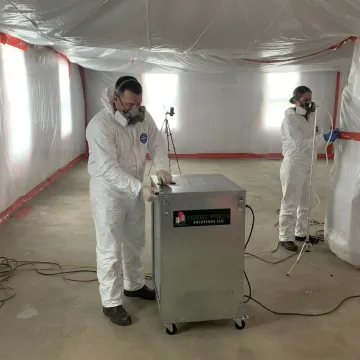
Yes. Femme Works Solutions provides certified asbestos removal and disposal for materials such as pipe insulation, vermiculite, vinyl tile, mastic, siding, roofing materials, joint compound, popcorn ceilings, and contaminated debris. Crews follow containment, HEPA filtration, worker protection, cleanup, transport, and disposal procedures designed to meet applicable Massachusetts asbestos regulations and federal safety protocols.
What happens after hazardous material removal is complete?
After removal, the work area is cleaned using appropriate decontamination methods such as HEPA vacuuming, negative air machines, air scrubbers, microfiber wiping, and approved encapsulants when needed. Optional third-party air testing may be recommended or required for clearance. Clients can receive documentation supporting reentry, property sale, occupancy, demolition permits, or Mass Save compliance.
Do your services help with Mass Save rebate requirements?
Yes. Certain insulation and energy-efficiency upgrades may require asbestos or vermiculite concerns to be addressed before approved work can proceed. Femme Works Solutions supports Mass Save-related projects by removing materials safely, coordinating timelines for follow-up insulation work, recommending approved insulation contractors, and helping clients understand documentation needed to move forward with rebate-eligible improvements.
What areas do you serve for abatement projects?
Femme Works Solutions serves communities throughout Massachusetts and New Hampshire, including Boston, North Andover, Lowell, Lawrence, Worcester, Springfield, Cambridge, New Bedford, Brockton, Dracut, Tewksbury, Chelmsford, and Middlesex County. The company works with homeowners, property managers, contractors, schools, medical centers, municipalities, government organizations, and industrial facilities requiring certified hazardous material services.