Ignoring abatement doesn't just cut corners; it releases dangerous materials that can harm workers, contaminate the surrounding community, and lead to crippling fines and project shutdowns. This guide provides a complete overview of the abatement process, from identifying common hazardous materials to understanding the step-by-step removal procedures and choosing a certified professional to get the job done right.
Key Takeaways
- Hazardous materials abatement is the required process of removing substances like asbestos, lead, and PCBs before demolition to ensure safety and compliance.
- The process involves a site survey, developing a work plan, setting up containment, safe removal by licensed professionals, and proper disposal according to EPA and OSHA regulations.
- Common hazardous materials include asbestos (insulation, tiles), lead-based paint (in pre-1978 buildings), PCBs (in electrical equipment), and mercury (in thermostats).
- Skipping abatement can lead to severe health risks, environmental contamination, and significant legal and financial penalties.
What Is Hazardous Materials Abatement?
Hazardous materials abatement is the systematic process for controlling exposure to and safely removing harmful substances from buildings slated for renovation or demolition. It's a highly specialized field that operates under strict federal and state regulations.
Abatement has two primary goals:
- Create a safe worksite for demolition crews by removing exposure risks to toxic materials.
- Prevent environmental contamination by stopping hazardous substances from entering the air, soil, or water.
While demolition is the structural teardown of a building, abatement is the crucial preliminary step focused entirely on hazard removal. It is the essential safety procedure that clears the site of dangers before the main demolition project can begin.
Why Abatement is a Non-Negotiable Step in Demolition
Skipping or improperly handling abatement is one of the most serious mistakes you can make in a demolition project. The reasons are clear: protecting people's health, preserving environmental safety, and maintaining legal compliance.
Health Protection
When demolition disturbs materials like asbestos or lead-based paint, it releases toxic particles into the air.
- Asbestos: Inhaling microscopic asbestos fibers can cause mesothelioma, a devastating cancer that may not show symptoms for 30 to 40 years after exposure. There is no safe level of exposure.
- Lead: Lead dust created during demolition can be inhaled or ingested, causing severe neurological damage in both adults and children. It is particularly harmful to developing brains.
Environmental Safety
Hazardous materials don't just disappear with the debris. If not properly contained and disposed of, asbestos fibers, lead dust, and chemicals like PCBs can contaminate soil and groundwater, posing a long-term threat to the local ecosystem and public health.
Legal and Financial Consequences
Federal and state agencies take abatement violations very seriously. Key regulations like the EPA's National Emission Standards for Hazardous Air Pollutants (NESHAP) and OSHA's worker safety standards dictate exactly how these materials must be handled.
Failure to comply can result in staggering financial penalties. Under federal law, OSHA can issue fines of up to $16,550 per serious violation, and Clean Air Act violations can be even more severe.
State-level enforcement is just as strict. For example, MassDEP recently fined one Massachusetts contractor $46,980 for improper asbestos handling, while New Hampshire's NHDES can issue fines up to $4,000 per violation. These costs, combined with project delays and potential lawsuits, make non-compliance a catastrophic financial risk.
Common Hazardous Materials Found at Demolition Sites
Older buildings often contain materials that are now known to be hazardous. While a professional site survey is the only way to confirm their presence, demolition projects frequently uncover a few common culprits.
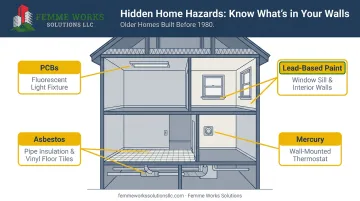
Asbestos-Containing Materials (ACMs)
Used extensively for its fire-retardant and insulating properties, asbestos was common in buildings constructed before the 1980s. OSHA regulations presume its presence in certain materials in buildings built no later than 1980 until testing proves otherwise.
Common locations include:
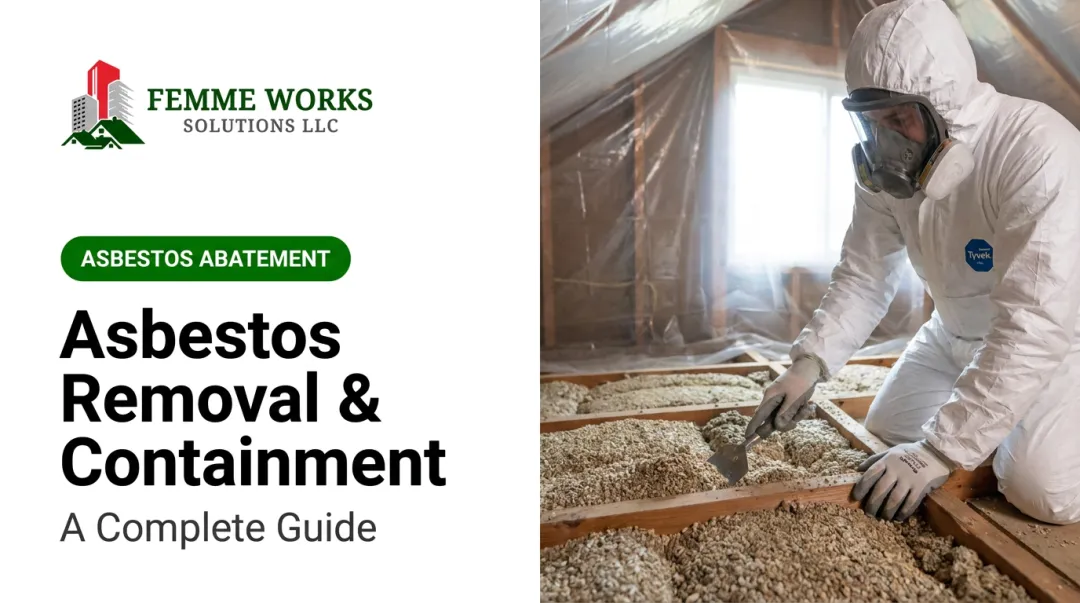
- Pipe and attic insulation (especially vermiculite)
- Vinyl floor tiles and the black mastic adhesive underneath
- Ceiling tiles
- Roofing shingles and siding
- Cement products
Lead-Based Paint
If a building was constructed before 1978, it's highly likely to contain lead-based paint. In fact, the EPA estimates that approximately three-quarters of U.S. homes built before 1978 still have it. When this paint is sanded, scraped, or crushed during demolition, it creates a fine, toxic dust that is extremely dangerous when inhaled.
Polychlorinated Biphenyls (PCBs)
PCBs are industrial chemicals that were banned in 1979 but persist in older buildings. They are most often found in electrical equipment and should be handled with extreme care.
Common sources include:
- Fluorescent light ballasts
- Transformers and capacitors
- Oil-based paint and caulking
Mercury
Mercury, a heavy metal, can be found in small amounts in various building components. While the quantity in each item is small, the cumulative effect from an entire building can be significant.
Look for mercury in:
- Older thermostats (the kind with a glass vial)
- Fluorescent and high-intensity discharge (HID) lamps
- Pressure gauges and switches
Universal Wastes
Universal Wastes are a category of hazardous items, such as batteries, pesticides, and fluorescent lamps, that cannot be thrown away with general demolition debris. They must be segregated and disposed of according to specific regulations.
The Hazardous Materials Abatement Process: A Step-by-Step Guide
Proper abatement is a meticulous process that must be performed by licensed and certified professionals. While every project is unique, the core steps remain consistent to ensure safety and compliance.
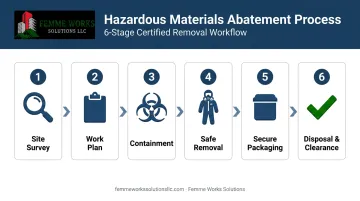
Step 1: Site Survey and Hazardous Material Testing
First, a certified inspector conducts a comprehensive survey of the building. They identify and take samples of suspicious materials (like insulation, tiles, or paint) and send them to an accredited lab for analysis. This step confirms exactly what hazards are present and where they are located.
Step 2: Developing the Abatement Work Plan
Based on the lab results, the abatement contractor creates a detailed, site-specific work plan. This blueprint for the project outlines:
- The scope of work and materials to be removed
- Specific removal methods and engineering controls
- Worker safety protocols and required PPE
- A containment and disposal strategy that complies with all federal, state, and local regulations.
Step 3: Containment and Site Preparation
The team isolates the work area to prevent hazardous dust or fibers from escaping. This involves setting up regulated zones with thick plastic sheeting, posting warning signs, and establishing negative air pressure systems with HEPA filters to ensure air flows into the containment zone, not out.
Step 4: Safe Removal and Decontamination
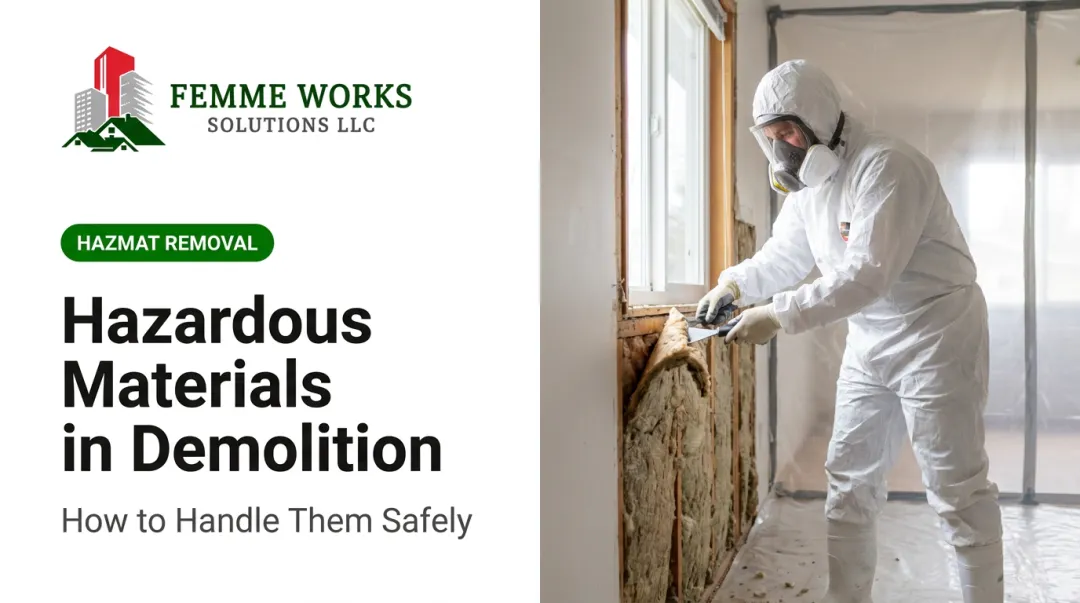
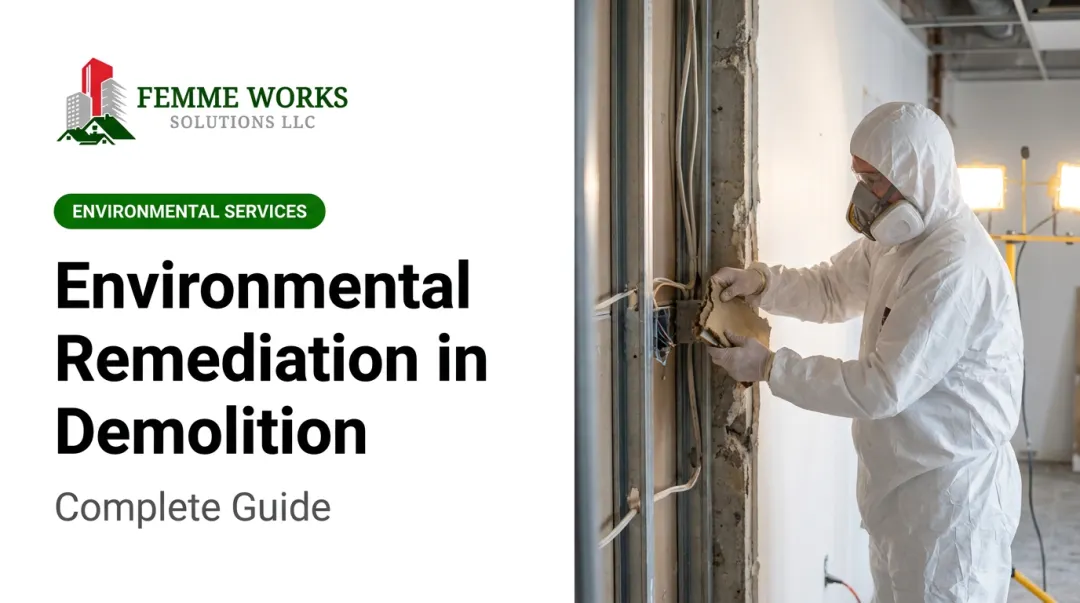
Wearing full personal protective equipment (PPE), including respirators and disposable coveralls, certified technicians begin the removal. They use specialized techniques, such as wetting asbestos-containing materials to minimize dust, and employ HEPA-filtered tools. Every action is designed to keep hazardous particles contained.
Step 5: Secure Packaging and Transportation
All hazardous waste is carefully sealed in specially labeled, leak-proof containers or heavy-duty bags. These packages are decontaminated before leaving the containment area to prevent cross-contamination.
Step 6: Proper Disposal and Final Clearance
The sealed waste is transported by licensed haulers to a designated hazardous waste landfill that is certified to receive it. After the removal is complete, the contained area is thoroughly cleaned. A third-party inspector then conducts final air testing to verify that the space is safe for demolition crews to enter.
Choosing the Right Certified Abatement Partner
Hiring the right contractor is the most important decision you'll make in the abatement process. An unqualified or careless contractor is more dangerous than leaving the materials undisturbed. For property owners in Massachusetts and New Hampshire, here’s what to look for.
- State Licensing and Insurance: Verify the contractor is fully licensed and insured to perform hazardous material abatement in your state.
- Regulatory Compliance: Ensure they follow all protocols from the EPA, OSHA, and state agencies like MassDEP or NHDES.
- Proven Experience: Look for a long track record. A firm with 15+ years of experience, like Femme Works Solutions, has managed complex projects and knows local rules.
- Strong Reputation: Check for consistent positive customer feedback, such as a high volume of five-star Google reviews.
- Verified Safety Record: Ask for their safety plan and proof of liability insurance that specifically covers abatement work.
Frequently Asked Questions
What are the hazardous materials during demolition?
The most common hazardous materials are asbestos, lead-based paint, PCBs in old electrical equipment, mercury in thermostats and lamps, and universal wastes like batteries and fluorescent bulbs.
What is hazardous abatement?
It is the specialized process of safely identifying, removing, containing, and disposing of hazardous materials from a building before demolition or renovation to protect workers, the public, and the environment.
What happens to debris from demolished buildings?
Hazardous debris is sealed and transported to special landfills. Non-hazardous materials like concrete, steel, and wood are often sorted for recycling, while the remaining non-recyclable debris goes to standard landfills.
Is hazardous material abatement required for all demolition projects?
Yes, if regulated hazardous materials are present and will be disturbed by the work. States like Massachusetts and New Hampshire often require a professional survey for older buildings to clear them for demolition.
How do I know if my building contains hazardous materials?
The only way to be certain is to hire a licensed inspector to conduct a professional hazardous materials survey. This is especially critical for any building constructed before 1980.
What is the difference between abatement and remediation?
Abatement focuses on removing the source of the hazardous material (e.g., taking out asbestos tiles). Remediation is a broader term for cleaning up contamination that has already been released into the environment (e.g., cleaning contaminated soil).