How do I know if my property has asbestos?
Asbestos is most often confirmed through professional inspection and laboratory testing, not visual identification alone. Suspect materials can include pipe insulation, vinyl floor tile, black mastic, vermiculite insulation, textured ceilings, joint compound, roofing felt, siding, and older mechanical insulation. A trained inspector can collect small samples safely and provide a report with material type, asbestos percentage, location, and recommended handling.
When is asbestos removal required before renovation or demolition?
Removal is typically needed when asbestos-containing materials will be disturbed by cutting, sanding, demolition, remodeling, flooring replacement, HVAC work, or structural upgrades. Pre-demolition surveys and inspections help identify regulated materials before work begins, reducing health risks, project delays, and compliance problems. Even small renovation areas should be evaluated if the building contains older insulation, flooring, ceiling texture, or pipe wrap.
What materials can Femme Works Solutions remove?
Femme Works Solutions handles a wide range of asbestos-containing materials, including pipe insulation, elbow wrap, vermiculite insulation, vinyl tile, linoleum, black mastic, joint compound, textured ceilings, asbestos cement siding, roofing materials, and contaminated debris. Services can also include selective demolition and post-abatement cleaning when hazardous materials are present in renovation or mechanical access areas.
Is asbestos removal safe while people are in the building?
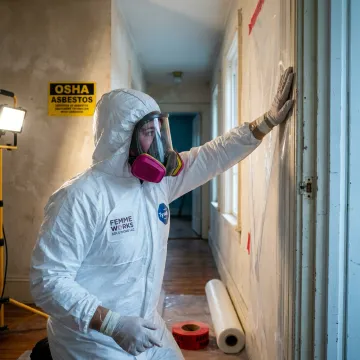
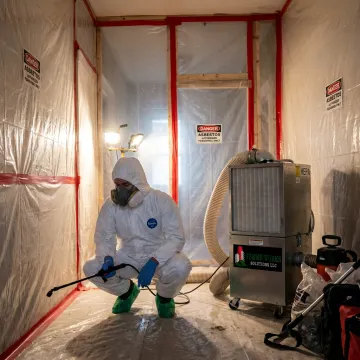
Safety depends on the project scope, material condition, and building layout. Professional removal uses containment barriers, controlled airflow, HEPA filtration, protective equipment, and regulated disposal procedures to reduce fiber migration. Occupants may need to avoid the work area or temporarily leave during active removal. The team will explain access restrictions, expected timelines, and any reentry requirements before work starts.
How long does an asbestos removal project take?
Many smaller asbestos removal projects, such as limited flooring, pipe insulation, or selective interior areas, may take one to three days once testing and planning are complete. Larger abatement projects involving attics, multiple rooms, schools, commercial facilities, or mechanical rooms can take longer. Timeline depends on material quantity, containment needs, disposal logistics, clearance testing, and coordination with renovation or demolition schedules.
Do you provide asbestos testing before removal?
Yes. Testing and inspection services can include a site visit, visual assessment, sample collection, laboratory submission, and a written report. Samples are typically analyzed by accredited laboratories using recognized methods such as PLM or TEM testing. The report can include photos, material analysis, asbestos type, concentration percentage, estimated quantity, risk assessment, and practical recommendations for removal or management.
What happens after asbestos is removed?
After removal, the work area is cleaned using HEPA vacuums, negative air machines, air scrubbers, microfiber wiping, and approved surface treatment methods when appropriate. Waste is packaged and transported for proper disposal. Optional third-party air testing can confirm whether the space meets clearance criteria, and clients may receive documentation useful for renovation, occupancy, sale, or demolition-related requirements.
How much does asbestos removal cost?
Pricing depends on the type of asbestos material, square or linear footage, access difficulty, containment requirements, disposal volume, testing needs, and whether clearance documentation is required. Testing alone often costs priced based on the size and complexity of the assessment, while removal varies by scope. Femme Works Solutions emphasizes clear, no-hidden-fee communication with no hidden fees, so you understand the work plan before abatement begins.