What is the difference between asbestos removal and abatement?
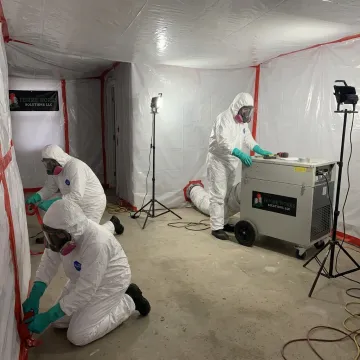
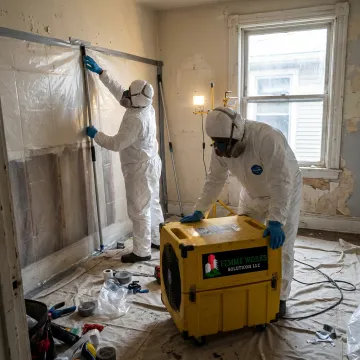
Asbestos removal is the physical process of taking asbestos-containing material out of a property. Asbestos abatement is broader: it includes inspection, planning, containment, safe removal or encapsulation, HEPA cleaning, disposal, and documentation. A proper abatement project focuses on preventing fiber release, protecting occupants and workers, and leaving the affected area ready for clearance or next-phase construction.
How do I know if a material contains asbestos?
You cannot confirm asbestos by sight alone. Common suspect materials include pipe insulation, vermiculite, vinyl tile, black mastic, textured ceilings, joint compound, roofing materials, and older siding. A trained inspector can collect targeted samples without unnecessary damage, submit them to an accredited laboratory, and provide a report identifying asbestos type, concentration, quantity, and recommended handling steps.
Is asbestos abatement needed before renovation or demolition in Virginia?
If renovation or demolition may disturb suspect materials, an asbestos survey is often the safest first step. Disturbing asbestos during wall removal, flooring replacement, mechanical upgrades, or selective demolition can release hazardous fibers. Testing and abatement planning help contractors avoid delays, protect occupants, and maintain documentation before the project proceeds into active construction or demolition.
How long does asbestos abatement usually take?
Many small, contained abatement projects can be completed in one to three days, while larger commercial, institutional, or multi-area projects may take longer. Timing depends on material type, square or linear footage, containment requirements, accessibility, disposal logistics, and whether third-party clearance testing is requested before reentry or rebuilding begins.
What asbestos-containing materials can your team handle?
Femme Works Solutions handles a wide range of suspect and confirmed asbestos materials, including pipe wrap, boiler and furnace insulation, vermiculite, floor tile, mastic, linoleum, joint compound, textured ceilings, siding, roofing materials, and contaminated debris. The team also supports related selective demolition and decontamination needs when hazardous materials are present in renovation zones.
What safety methods are used during abatement?
A professional abatement setup typically includes work-area containment, controlled access, protective equipment, wet methods where appropriate, HEPA filtration, negative air machines, careful waste packaging, and proper disposal procedures. After removal, HEPA vacuuming, surface wiping, air scrubbing, and optional clearance testing help reduce remaining dust and provide a documented path toward safe reentry.
Can you coordinate with general contractors or property managers?
Yes. Asbestos abatement often happens before remodeling, demolition, insulation upgrades, mechanical work, or tenant improvements. The team can coordinate scope, scheduling, access, containment limits, debris handling, and documentation with homeowners, property managers, general contractors, schools, commercial facilities, and public-sector teams so the overall project keeps moving with fewer disruptions.
Do you provide documentation after the work is complete?
Documentation can include inspection results, laboratory reports, abatement scope details, disposal information, cleaning notes, and clearance-related records when applicable. These records are useful for contractors, property sales, occupancy planning, renovation files, insurance documentation, and future maintenance decisions. Clear paperwork also helps confirm what was addressed and what next steps remain.