Understanding how to manage this risk is crucial for protecting your family, employees, and tenants. This guide breaks down the professional asbestos abatement process, explaining how licensed contractors create safe work environments and why this job should never be a DIY project. We'll cover everything from initial inspection to final clearance testing, giving you the knowledge to handle asbestos safely and compliantly.
TL;DR: The Asbestos Abatement Process
- Asbestos is a hazardous material in older buildings that requires professional removal to prevent serious diseases like mesothelioma and lung cancer.
- The abatement process involves four key stages: professional assessment, setting up a secure containment area, safe removal, and thorough clearance testing.
- Containment is critical, using sealed barriers, negative air pressure, and decontamination units to stop toxic fibers from spreading.
- Due to strict regulations and high health stakes, asbestos removal must be handled by a licensed certified contractor. Always hire a licensed contractor.
What Is Asbestos and Why Is It a Health Hazard?
Asbestos refers to a group of six naturally occurring minerals composed of soft, flexible fibers. For decades, it was a go-to material in the construction industry because of its incredible resistance to heat, electricity, and corrosion. As a result, it was mixed into thousands of products used in properties built before the 1980s.
While asbestos-containing materials (ACMs) are generally considered safe when left intact, they become a problem when they are damaged or disturbed. Common places you might find asbestos in a home or business include:
- Attic and wall insulation (especially vermiculite)
- Vinyl floor tiles, sheet flooring, and adhesives
- Roofing shingles and siding
- Textured paint and patching compounds (like "popcorn ceilings")
- Hot water and steam pipe insulation or wrapping
- Insulation for furnaces and wood-burning stoves
The Health Risks of Asbestos Exposure
When ACMs are cut, sanded, drilled, or broken, they release tiny, sharp fibers into the air. These fibers are so small they can't be seen, and they can remain suspended for hours, easily inhaled by anyone nearby. Once in the lungs, they can become lodged in the tissue, causing inflammation and scarring over time.
This exposure is directly linked to several severe and often fatal diseases. According to the American Cancer Society, asbestos is the primary cause of mesothelioma—a rare and aggressive cancer. About 3,000 new cases are diagnosed in the U.S. each year.
Other serious conditions include:
- Asbestosis, a chronic lung disease caused by scarred lung tissue that leads to shortness of breath.
- Lung cancer, as exposure significantly increases the risk of developing the disease, especially for smokers.
The long latency period of asbestos-related diseases makes them particularly dangerous. Symptoms often don't appear for 20 to 50 years after the initial exposure, meaning the damage is done long before a person feels sick. This delay makes preventing exposure today absolutely critical.
The Professional Asbestos Abatement Process: A Step-by-Step Guide
Professional asbestos abatement isn't just about tearing out old materials. It's a highly regulated, systematic process designed to protect workers, building occupants, and the environment. Here’s how certified professionals handle the process from start to finish.
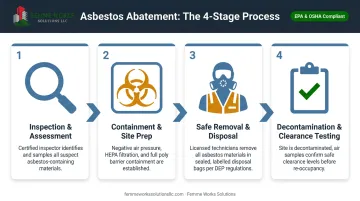
Stage 1: Inspection and Assessment
Before any work begins, a certified inspector must conduct a thorough assessment to identify the location, type, and condition of all asbestos-containing materials (ACMs). They may take small samples of suspected materials and send them to a lab for analysis to confirm the presence and percentage of asbestos. This step is required by law and forms the basis for a safe removal plan.
Stage 2: Containment and Site Preparation
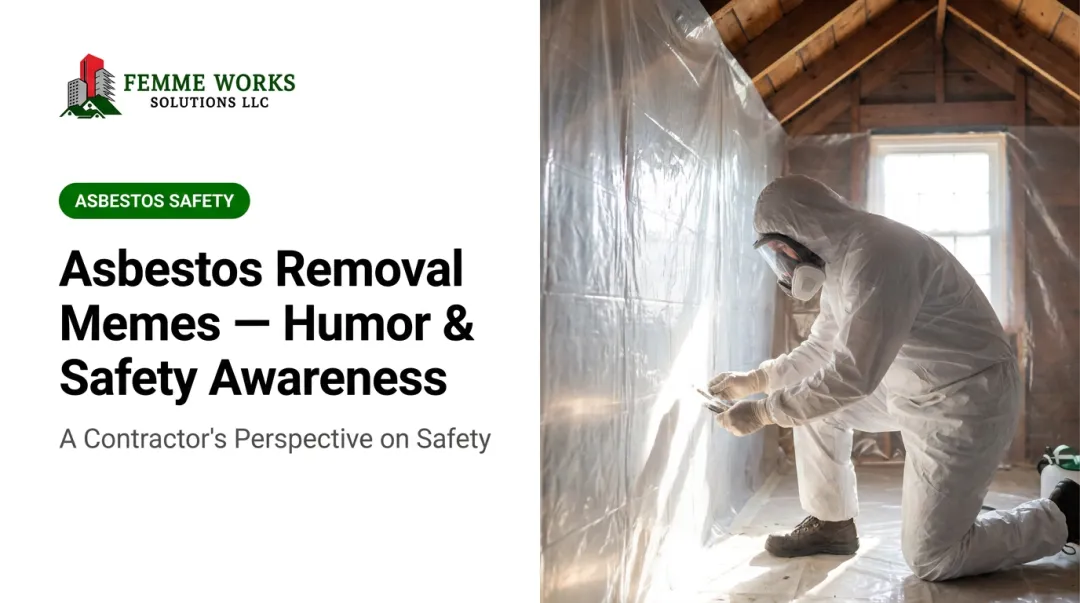
The most critical phase is preparing the work area. The goal is to completely isolate the contaminated zone from the rest of the building. This involves shutting down HVAC systems and using heavy-duty plastic sheeting to seal off all doorways, windows, vents, and other openings to prevent any cross-contamination.
Stage 3: Safe Removal and Disposal
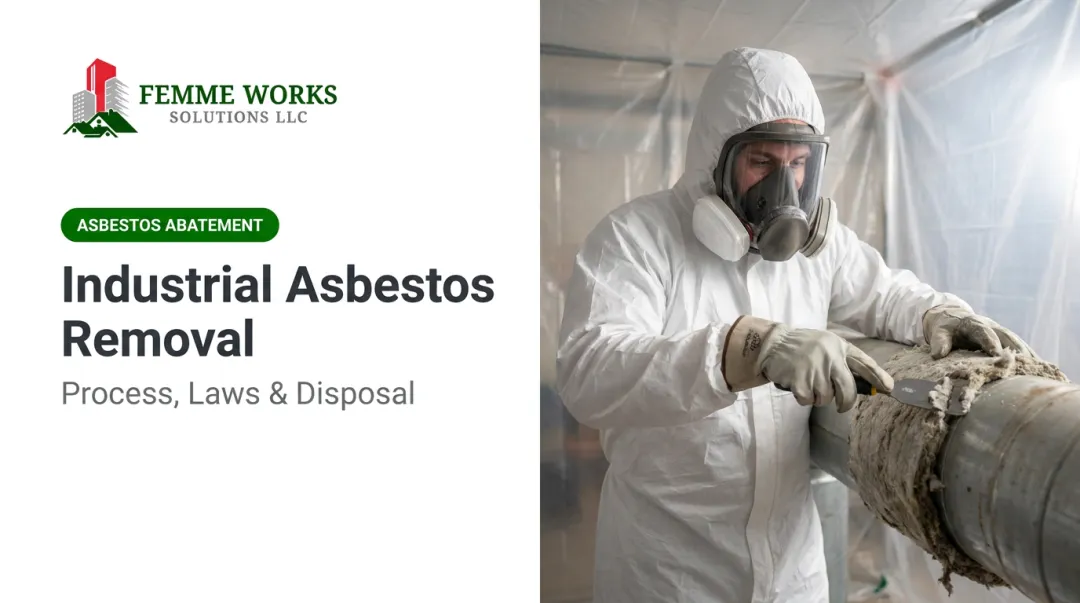
Once the area is secure, trained technicians in full personal protective equipment (PPE) begin the removal. They use specialized techniques, such as "wet methods," where materials are sprayed with amended water to suppress dust and keep fibers from becoming airborne.
All removed ACMs are carefully sealed in thick, specially labeled, leak-tight bags. Asbestos is a regulated waste and cannot be thrown in a standard dumpster.
It must be transported by a licensed hauler to an approved disposal facility, following strict EPA and MassDEP regulations.
Stage 4: Decontamination and Clearance Testing
After all asbestos has been removed and bagged, the entire containment area is meticulously cleaned. This involves a multi-step process using HEPA (High-Efficiency Particulate Air) vacuums and wet-wiping all surfaces to capture any lingering microscopic fibers.
Finally, an independent, third-party industrial hygienist conducts clearance air testing. This is a non-negotiable final step where air samples are collected from inside the containment zone and analyzed.
Only when the tests confirm the asbestos fiber count is below the safe regulatory threshold is the containment barrier removed and the area deemed safe for re-occupancy.
The Anatomy of Asbestos Containment: Creating a Safe Work Zone
Containment isn't just about putting up some plastic. It's a precise engineering control system designed to ensure not a single asbestos fiber escapes the work area. Let's break down its key components.
Physical Barriers and Critical Seals
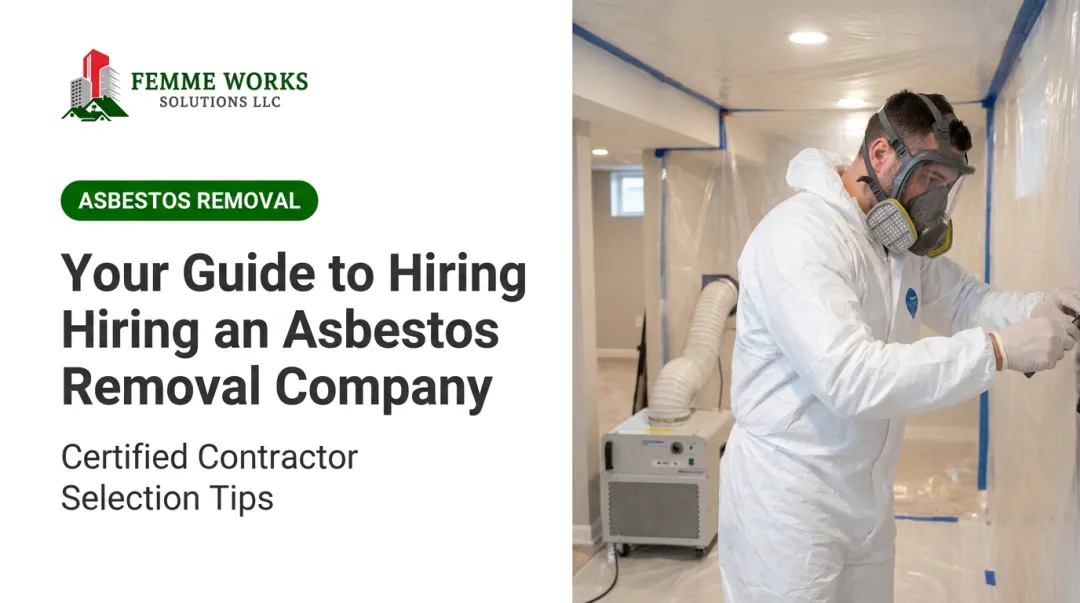
The foundation of any containment is creating an airtight enclosure. Professionals use heavy-duty polyethylene sheeting—a minimum of 6-mil thickness—to completely seal the work zone. This includes covering walls, floors, and any fixtures that can't be removed. All seams are overlapped and sealed with high-adhesion tape to create a truly impermeable barrier.
Negative Air Pressure Systems
To ensure contaminated air can't escape, the containment zone is placed under negative pressure. This is achieved using powerful air filtration devices, often called "air scrubbers," equipped with HEPA filters. These machines constantly pull air from the work area and exhaust it outside after filtering it.
This setup creates a pressure differential where the air pressure inside the containment is lower than outside. If a small tear or leak were to occur, clean air would be pulled in rather than contaminated air flowing out.
This pressure is continuously monitored with a device called a manometer to maintain a minimum differential of -0.02 inches of water gauge, as required by OSHA regulations.
Decontamination Enclosure System
Anyone exiting the work area must pass through a three-stage decontamination unit to prevent tracking fibers out. This system consists of:
- Equipment Room (Dirty Room): The first chamber, where workers remove gross contamination from tools and dispose of their outer layer of protective gear.
- Shower Room: A middle chamber with a shower, where workers must wash off any remaining fibers from their bodies and respirators.
- Clean Room: The final area where workers dry off and change into clean street clothes before exiting.
Warning Signs and Restricted Access
The entire regulated area must be clearly demarcated with warning signs that meet OSHA standards. These signs alert everyone to the presence of asbestos, the associated health risks, and state that only authorized personnel are allowed to enter.
Removal vs. Encapsulation: Making the Right Choice
When managing asbestos, you have two primary options: removal or encapsulation. The right choice depends on the material's condition, its location, and your future plans for the property.
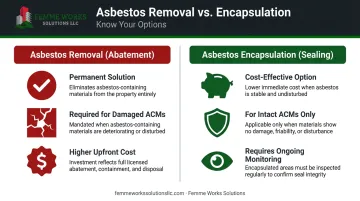
Asbestos Removal (Abatement)
Removal is the complete and permanent elimination of asbestos-containing materials (ACMs). This is the most thorough solution and is often necessary in these situations:
- The material is damaged, crumbling, or "friable."
- You are planning a major renovation or demolition that will disturb the ACMs.
- The material is in a high-traffic or accessible area where it's likely to get damaged.
While it's typically more expensive upfront, removal offers a permanent solution and peace of mind.
Asbestos Encapsulation
Encapsulation, or sealing, involves treating the material with a durable, airtight coating that binds the asbestos fibers together or covers the surface to prevent their release. This less invasive and often more cost-effective option is only suitable if the ACM is in good, stable condition and located where it is unlikely to be bumped, scraped, or otherwise disturbed.
Keep in mind that encapsulation leaves the asbestos in place. It will need to be monitored over time for damage, and it may make future removal more complex and costly if it eventually becomes necessary.
Why Hiring a Certified Professional is Non-Negotiable
Due to extreme health risks and complex State, DEP, and EPA regulations, asbestos abatement is a job strictly for trained, licensed professionals. Attempting removal without proper licensing is dangerous and exposes property owners to significant legal and financial liability.
Here’s why you should always call an expert:
- Meet strict regulatory compliance with federal (EPA, OSHA) and state (Massachusetts DEP, New Hampshire DES) laws. Professionals handle all permits and disposal requirements to protect you from fines.
- Use professional-grade equipment that homeowners lack, such as HEPA vacuums, negative air machines, air monitors, and specialized personal protective equipment (PPE) for safe containment.
- Ensure safety and proper insurance coverage. Professionals are trained to handle hazardous materials without cross-contamination and carry specific asbestos liability insurance that a general contractor's policy won't include.
What to Look For in a Contractor
When choosing an asbestos abatement company, be sure to verify their credentials. Look for:
- State licensing and proper insurance: Confirm they are fully licensed for asbestos work in your state (e.g., Massachusetts and New Hampshire) and carry comprehensive liability and workers' compensation insurance.
- A proven track record: A long history of successful projects is a good sign. For example, Femme Works Solutions has over 15 years of experience and has earned over 97 five-star Google reviews, indicating consistent quality.
- A commitment to safety and communication: Choose a team that prioritizes safety protocols, regulatory compliance, and clear communication. Certifications, like being a Woman-Owned and Minority-Owned business, can also signal a dedication to quality.
Never take chances with your health or property. Hiring a certified and insured expert ensures the job is handled with the utmost care and in full compliance with state and federal laws.
Frequently Asked Questions
What is containment for asbestos abatement?
Containment is the process of creating a sealed, airtight work area using plastic sheeting and negative air pressure. This setup prevents asbestos fibers from spreading to other parts of the building during the removal process.
How long after asbestos removal is it safe?
The area is considered safe immediately after it passes a final clearance air test. This test is conducted by an independent industrial hygienist who confirms that airborne fiber levels are below the regulatory safety limit.
What is the difference between asbestos removal and encapsulation?
Removal permanently eliminates asbestos from the property, which is necessary for damaged materials. Encapsulation seals the asbestos in place with a protective coating and is only suitable for materials that are intact and unlikely to be disturbed.
Can I remove asbestos myself?
No. Asbestos removal without proper licensing, training, equipment, and containment is extremely dangerous and illegal in most situations. It can expose residents and workers to serious health consequences and result in significant legal penalties. Always hire a licensed certified contractor.
How much does asbestos removal cost?
Costs vary based on the material's type, amount, accessibility, and project scope. An accurate price requires an on-site assessment and a detailed quote from a certified professional.