With aging infrastructure across the country and increasingly strict environmental regulations, the demand for skilled HazMat technicians is steady and essential. This guide covers everything you need to know about pursuing this challenging and rewarding career, from daily duties and training requirements to salary expectations and long-term job prospects.
Your Career as a HazMat Worker at a Glance
- Identify, contain, and dispose of hazardous materials like asbestos, lead, mold, and chemical waste.
- Work in diverse environments, from construction sites to industrial facilities, in physically demanding roles requiring strict safety adherence.
- Start with a high school diploma and complete mandatory on-the-job training and specific certifications, such as OSHA's HAZWOPER.
- Expect steady demand, with about 5,000 openings for HazMat workers each year projected over the next decade to replace workers leaving the field.
Core Responsibilities: A Day in the Life of a HazMat Technician
A HazMat worker's core responsibility is to follow meticulous procedures to protect themselves, the public, and the environment. There is no room for shortcuts; safety is the absolute top priority in every task—from the initial assessment to the final cleanup.
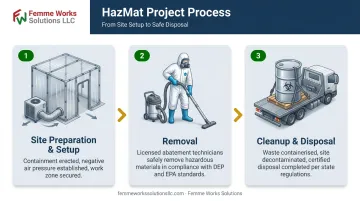
A typical project follows a highly structured workflow:
- Site Preparation & Setup: The first step is to completely isolate the work area. This involves building containment structures with plastic sheeting, setting up negative air pressure machines to prevent airborne contaminants from escaping, and preparing any necessary equipment like scaffolding.
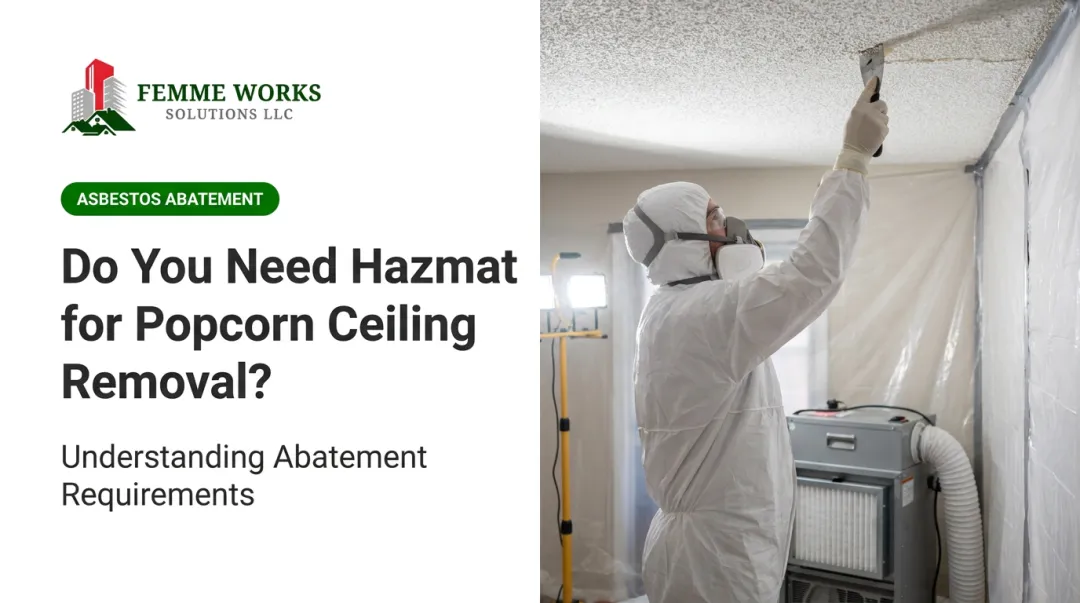
- Removal: Technicians use specialized tools and proven techniques to remove the hazardous substance. This could involve carefully scraping asbestos insulation from pipes, using chemical strippers on lead paint, or applying biocides to treat mold growth.
- Cleanup & Disposal: After removal, waste is packaged in specially designed, sealed, and labeled containers for transport to a designated disposal facility, following strict EPA and state regulations. The work area is then thoroughly decontaminated and tested to ensure it's safe for re-entry.
Performing these tasks safely is impossible without the right protective gear.
The Critical Role of Personal Protective Equipment (PPE)
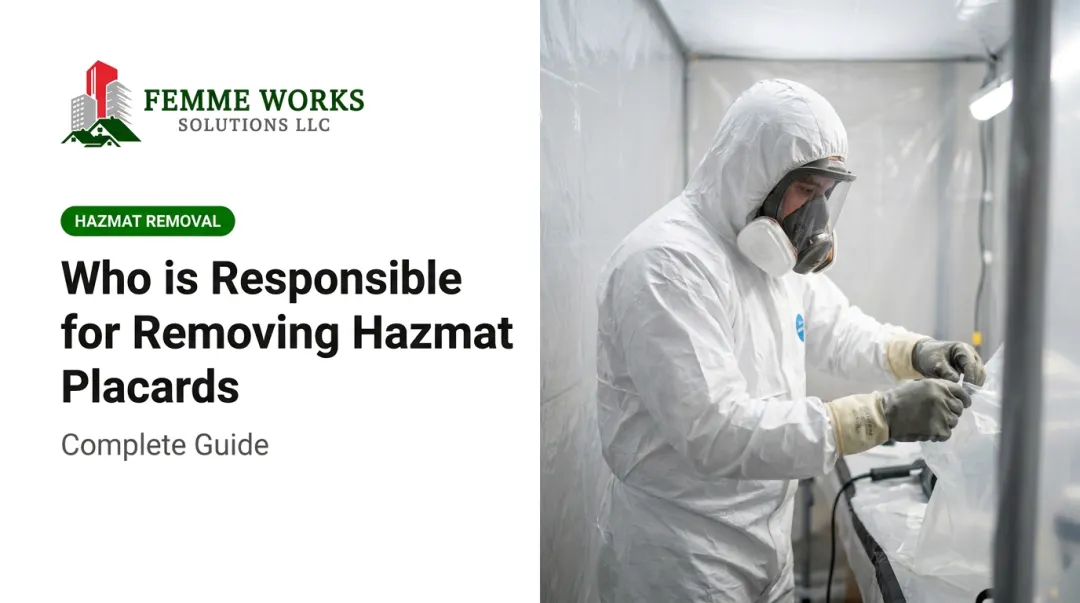
A HazMat worker’s most important tool is their Personal Protective Equipment (PPE). This isn't just a hard hat and gloves; it's a comprehensive system designed to create a complete barrier against hazardous substances.
A typical PPE ensemble includes:
- Full-body coveralls: Often disposable suits made of material that resists chemical penetration.
- Respirators: Ranging from half-face masks with cartridges to full-face supplied-air respirators (SARs) for highly toxic environments.
- Gloves and boots: Multiple layers of specialized, chemical-resistant gloves and steel-toed, waterproof boots are common.
- Head and eye protection: Hard hats and sealed safety goggles are standard.
Technicians follow rigorous procedures for putting on (donning) and taking off (doffing) their gear. The doffing process is especially critical and is performed in a specific sequence to prevent cross-contamination from the soiled suit to the worker.
However, the equipment is only part of the safety equation. Success in this field also demands a specific set of personal attributes.
Essential Skills for Success
Beyond technical knowledge, successful HazMat workers possess a unique set of personal attributes:
- Strong attention to detail: Every step in a safety protocol matters.
- Physical stamina and fitness: The job involves wearing heavy gear, lifting equipment, and working in challenging positions.
- Teamwork: Crews rely on each other for safety and efficiency.
- Calm under pressure: The ability to remain focused in potentially stressful situations is crucial.
Your Path to Becoming a HazMat Removal Worker
Becoming a qualified HazMat technician is a straightforward process focused on practical training and official certification rather than extensive academic degrees.
Foundational Education and Training
A high school diploma or GED is the standard entry point for this career. While a college degree isn't necessary for technician roles, it offers a significant advantage for those aiming for supervisory or management positions.
An associate's or bachelor's degree in environmental science, chemistry, or occupational health and safety is especially valuable.
Most technical skills are learned through on-the-job training. New hires work directly under the supervision of experienced professionals, learning specific removal techniques, equipment operation, and company safety protocols.
Essential Certifications and Licenses
Formal certification is mandatory in this industry. Federal and state laws require workers to be properly trained before they can step onto a job site.
- OSHA 40-Hour HAZWOPER: This is the cornerstone certification for the industry. The Hazardous Waste Operations and Emergency Response (HAZWOPER) training covers everything from hazard recognition and toxicology to proper use of PPE and decontamination procedures. The OSHA 29 CFR 1910.120 standard mandates this 40-hour course, plus three days of supervised field experience.
- State-Specific Licenses: Many states require separate licenses for handling specific materials. For example, asbestos abatement professionals in Massachusetts must be licensed through the Department of Labor Standards, while those in New Hampshire are licensed by the Department of Environmental Services.
- Commercial Driver's License (CDL): Workers who transport hazardous waste may need a CDL with a hazardous materials (H) endorsement.
Key Specializations in the HazMat Field
While some HazMat workers are generalists, many choose to specialize in a particular type of removal. This allows them to develop deep expertise and become highly valued professionals in their niche.
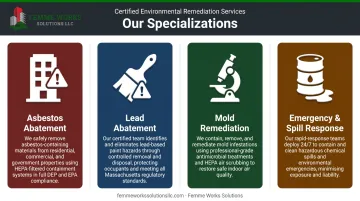
Common specializations include:
- Asbestos Abatement: A highly regulated field focused on removing asbestos-containing materials like insulation, flooring, and siding from older buildings.
- Lead Abatement: Removing lead-based paint, a critical public health service, especially in homes and schools built before 1978.
- Mold Remediation: Identifying and eliminating mold growth caused by water damage, which requires a strong understanding of containment and microbiology.
- Emergency and Spill Response: Working on teams that respond to industrial accidents, chemical spills, and transportation incidents. This work is often fast-paced and unpredictable.
Companies focused on residential and commercial environmental services, such as Femme Works Solutions in the Massachusetts and New Hampshire areas, are key employers for specialists in asbestos and mold remediation. Such firms, often with over 15 years of experience, provide stable careers for certified professionals dedicated to safety and full compliance with all state and federal regulations.
Salary and Compensation: What to Expect
According to the U.S. Bureau of Labor Statistics, hazardous materials removal workers earn competitive wages that reflect the specialized, safety-critical nature of the work. Salary varies significantly based on several factors:
- Geographic location: Pay is often higher in areas with a higher cost of living and more industrial or regulatory activity.
- Experience level: Senior technicians and supervisors earn more than entry-level workers.
- Specialization: Workers certified to handle highly toxic materials, like radioactive waste, often command higher salaries.
- Type of work: Emergency response roles may offer higher pay and more opportunities for overtime.
Regional Pay Differences
Pay also varies significantly by state. Data from CareerOneStop shows meaningful differences even in neighboring New England states, with factors like local regulatory activity, cost of living, and the concentration of industrial facilities all influencing compensation.
Compensation packages typically include health insurance and retirement benefits. Overtime pay is also common, particularly for those on emergency response teams.
Job Outlook and Career Growth in Hazardous Materials Removal
While the BLS projects slower-than-average growth for the occupation, the high turnover rate creates a consistent need for new, qualified workers. The demand for HazMat services remains stable, driven by several key trends.
Demand and Industry Trends
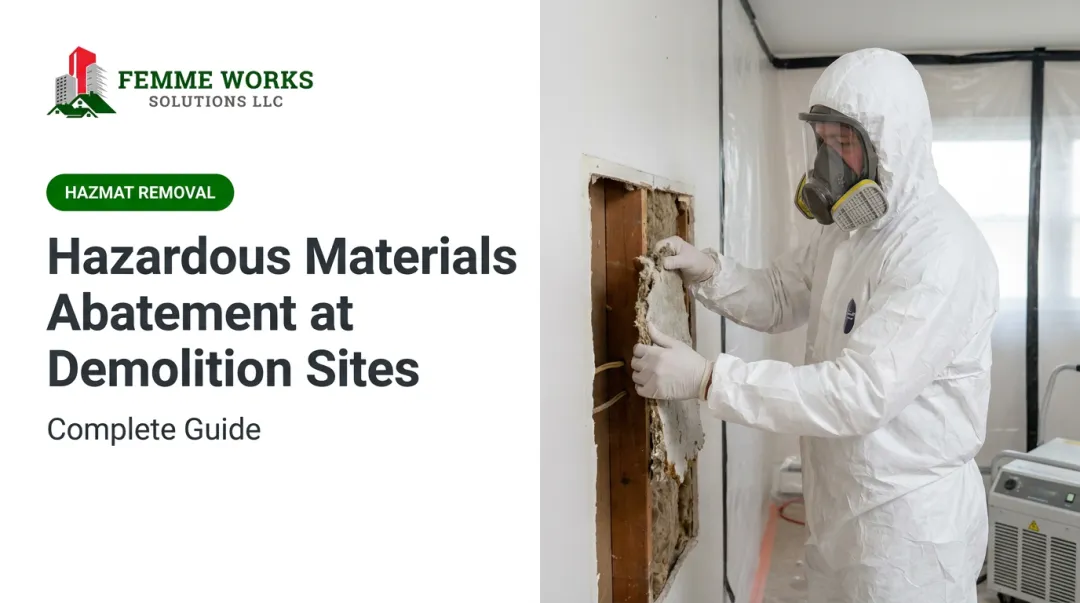
- Aging Buildings: A large portion of the nation's building stock predates bans on asbestos and lead paint, creating a constant need for abatement during renovations and demolitions.
- Environmental Cleanup: The cleanup of federal Superfund sites—locations with hazardous waste—is an ongoing effort requiring thousands of skilled workers.
- Industrial Decommissioning: Old factories, power plants, and military bases must be decontaminated when shut down before the land can be repurposed.
Advancing Your HazMat Career
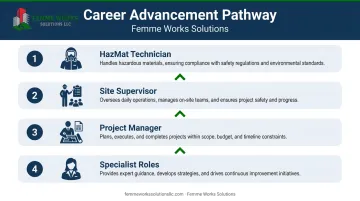
Working as a HazMat technician is the first step on a clear career path with significant opportunities for advancement. With experience and a commitment to continued learning, you can advance to more senior roles.
- HazMat Technician: This entry-level role is where you learn the hands-on skills of removal and decontamination.
- Site Supervisor: After several years of experience, a technician can become a supervisor to manage a crew, enforce safety protocols, and ensure projects stay on schedule.
- Project Manager/Estimator: This role involves overseeing multiple projects, managing budgets, interacting with clients, and preparing bids for new work.
- Specialist Roles: Experienced professionals can also move into related fields, becoming a company's Safety Officer, a Compliance Manager, or an independent Environmental Consultant.
Frequently Asked Questions
What are hazardous materials removal workers called?
They are often called HazMat technicians, abatement workers (like an asbestos abatement worker or lead abatement specialist), or environmental remediation specialists, depending on their specific role and certifications.
How dangerous is a job in hazardous materials removal?
While the materials themselves are dangerous, the job is made safe through strict regulations, extensive training, and the proper use of PPE. The industry's highest priority is worker safety, and protocols are designed to minimize exposure risk.
What is the most common type of hazardous material removal?
Asbestos and lead abatement are two of the most common specializations. This is due to their widespread use in building materials for much of the 20th century, making them a frequent issue in older properties.
How long does it take to get certified as a HazMat worker?
The main 40-hour OSHA HAZWOPER certification takes about a week. State-specific licenses for materials like asbestos, plus on-the-job training, can add several more weeks or months to the timeline.
Is a college degree required for this career?
No, a high school diploma is usually sufficient for entry-level roles. While not required, a degree in a field like environmental science can help you advance faster into management or consulting positions.