Environmental decontamination is the professional process for handling these issues safely and effectively. It’s not just about cleaning; it’s about restoring a space to a safe condition for people to live and work in. This guide covers the essential methods, stages, and best practices to protect both your health and your property.
TL;DR: Key Takeaways on Decontamination
- It’s Not Just Cleaning: Decontamination is a scientific process to neutralize or remove specific hazardous materials like mold, asbestos, and lead.
- Health and Value are at Stake: Proper decontamination protects occupants from serious health risks and preserves your property's market value.
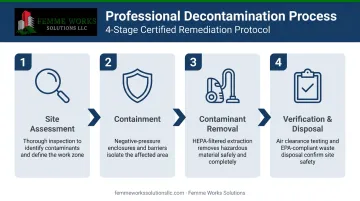
- Follow a 4-Stage Process: Professionals use a structured approach: Assessment, Containment, Removal, and Verification.
- Safety is Non-Negotiable: Strict adherence to safety protocols, including proper PPE and containment, is critical.
- Know When to Call a Pro: Materials like asbestos and lead legally require certified experts. For all environmental contamination concerns, certified licensed professionals provide the safest and most compliant outcome.
What is Environmental Decontamination and Why is it Crucial?
While people often use "cleaning" and "decontamination" interchangeably, they have distinct meanings in environmental health and safety. Understanding this difference is crucial for creating a genuinely safe space.
Defining Environmental Decontamination
Environmental decontamination is a technical process designed to neutralize or remove hazardous substances from an area to a level considered safe for human occupancy. According to the U.S. Environmental Protection Agency (EPA), the goal is to reduce the concentration of a contaminant so the site, building, or equipment is safe for its intended use.
Unlike standard cleaning, which physically removes dirt and germs, decontamination targets specific, often invisible, threats.
Key contaminants addressed by professionals include:
- Biological Contaminants: Mold, bacteria (like Legionella), viruses, and sewage.
- Chemical Contaminants: Asbestos fibers, lead dust from old paint, chemical spills, and residue from former meth labs.
- Radiological Contaminants: This is a highly specialized field, but it falls under the broader umbrella of environmental decontamination.
The Importance of Proper Decontamination
When dealing with hazardous materials, proper decontamination is non-negotiable. It provides three critical benefits that protect both your well-being and your investment.
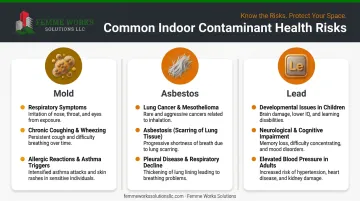
1. Protecting Health The primary reason for professional decontamination is to safeguard human health. Americans spend about 90% of their time indoors, where some pollutants can be found at levels two to five times higher than typical outdoor concentrations. Exposure to contaminants can lead to a range of health problems:
- Mold: The CDC has linked indoor mold exposure to upper respiratory tract symptoms, coughing, and wheezing in otherwise healthy people.
- Asbestos: Inhaling asbestos fibers can cause life-threatening diseases like lung cancer, mesothelioma, and asbestosis.
- Lead: Lead dust is particularly dangerous for children and can cause serious developmental issues.
2. Preserving Property Value Unresolved contamination can devastate a property's value. Issues like mold, asbestos, or lead paint must often be disclosed during a real estate transaction, which can scare away potential buyers or lead to significantly lower offers.
Addressing these problems correctly with professional documentation proves the property is safe and helps maintain its marketability.
3. Ensuring Legal & Regulatory Compliance Federal, state, and local regulations from bodies like OSHA and the EPA dictate how hazardous materials must be handled. For example, the EPA’s Lead Renovation, Repair and Painting (RRP) Rule and OSHA's asbestos standards mandate that only certified professionals perform removal work.
Non-compliance can result in steep fines, legal liability, and work-stoppage orders.
The 4 Essential Stages of a Professional Decontamination Project
A professional decontamination project isn't a simple cleanup job; it’s a systematic operation that follows a strict workflow to ensure safety and effectiveness. Here are the four essential stages you can expect from a certified team.
Stage 1: Site Assessment and Planning
Before any work begins, a thorough investigation is necessary. This stage involves:
- Conducting an initial visual inspection to identify the type and extent of the contamination, which often begins with client photos and an on-site visit.
- Collecting samples for lab analysis if the contaminant isn't obvious, such as determining a specific type of mold or confirming the presence of asbestos.
- Creating a detailed remediation plan that outlines the methods, safety protocols, containment strategy, equipment, timeline, and cost breakdown.
Stage 2: Containment and Site Preparation
The top priority is preventing the contamination from spreading to other parts of the property. Technicians create a highly controlled work area by:
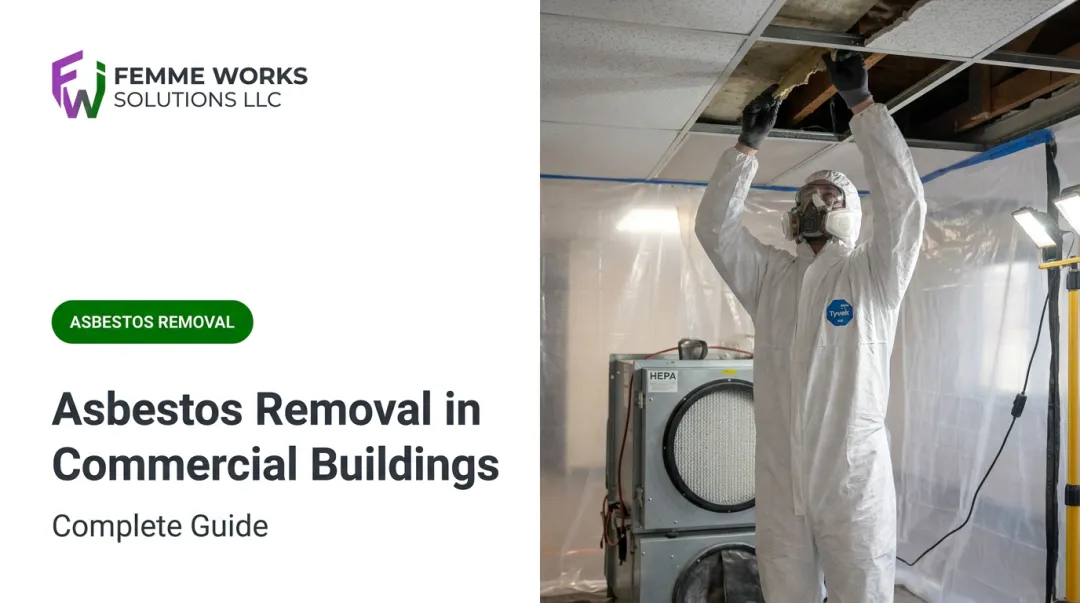
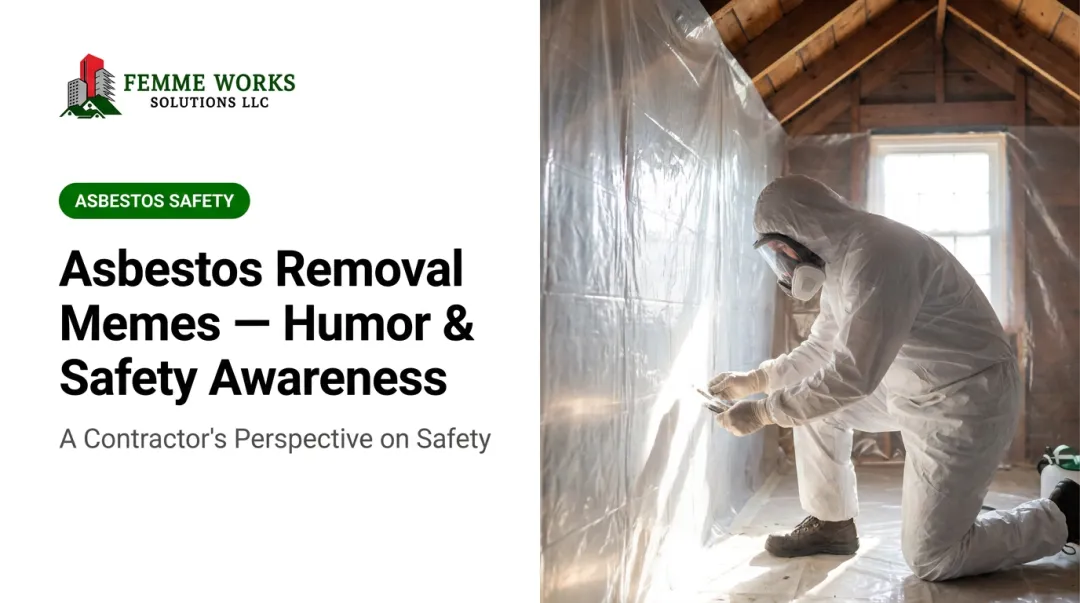
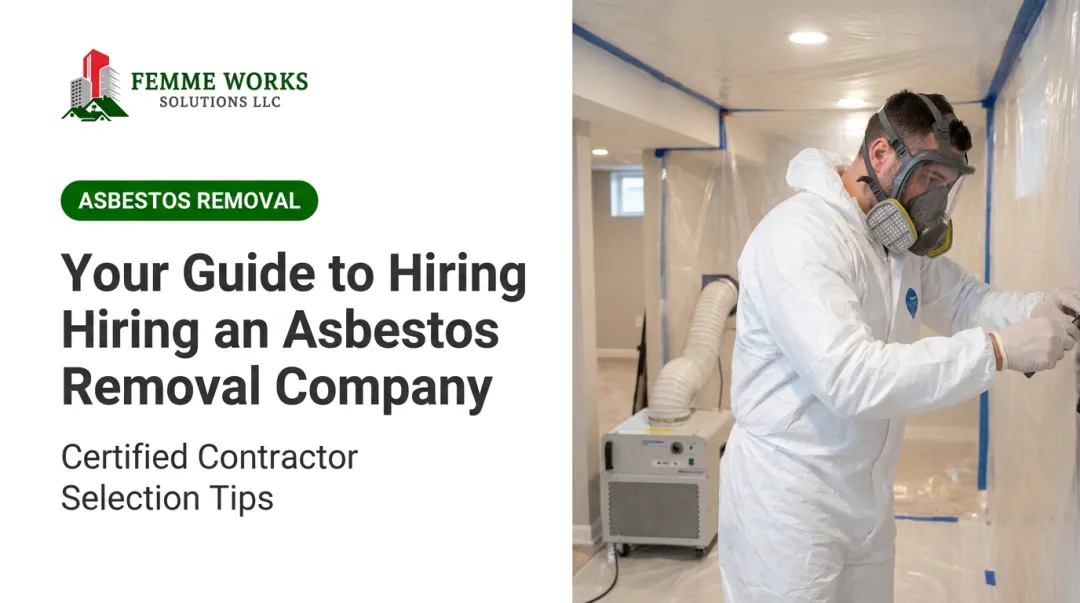
- Isolating the contaminated area with heavy-duty plastic sheeting and tape to seal off doorways, windows, and HVAC vents.
- Establishing negative air pressure with powerful filtration devices. These "negative air machines" pull air into the contained area, ensuring airborne particles like mold spores are trapped and cannot escape.
- Protecting belongings by removing all movable items and sealing any large objects that cannot be moved.
Stage 3: Contaminant Removal and Cleaning
This is the active decontamination phase where the hazardous material is physically removed. The methods are highly specific to the contaminant, as asbestos abatement techniques are completely different from mold remediation. This stage relies on specialized equipment like HEPA (High-Efficiency Particulate Air) vacuums to capture microscopic particles and air scrubbers to continuously filter the air, trapping any contaminants released during the removal process.
Stage 4: Post-Decontamination Verification and Disposal
Once the removal work is complete, the job isn't finished. The final stage ensures the area is truly safe and all waste is handled correctly.
- Third-party verification testing is often performed by an independent consultant who conducts post-remediation air or surface sampling. This provides unbiased confirmation that the area meets safety standards.
- Safe and compliant disposal of all contaminated materials. Waste is sealed in specially marked, leak-proof bags and transported to a licensed facility according to federal, state, and local regulations.
Understanding the 4 Types of Decontamination
Decontamination methods fall into four main categories. The right approach depends entirely on the substance being removed.
Type 1: Physical Removal
This is the most straightforward method and involves physically taking the contaminant away. It includes techniques like wiping, scraping, scrubbing, or vacuuming. The use of HEPA vacuums is a critical part of physical removal for fine particulates like mold spores, lead dust, and asbestos fibers.
Type 2: Chemical Decontamination
This approach uses chemical solutions to neutralize or dissolve contaminants. The specific agent depends on the target substance.
- Disinfectants and biocides kill pathogens like bacteria and viruses.
- Detergents break down and remove grime and biofilms.
- Specialized solvents neutralize certain chemical spills.
Type 3: Disinfection & Sterilization
This type is a subset of chemical decontamination focused on biological agents. The two main levels are disinfection, which eliminates most pathogenic microorganisms from surfaces, and sterilization, a more extreme process that destroys all microbial life. Sterilization is typically reserved for medical and laboratory settings.
Type 4: In-situ/Ex-situ Remediation
These advanced methods are for large-scale environmental cleanups, like contaminated soil or groundwater. With in-situ (in-place) remediation, the contaminant is treated on-site without being moved. For ex-situ (off-site) remediation, contaminated material is excavated and transported elsewhere for treatment.
Safety First: Best Practices for Decontamination
When dealing with hazardous materials, safety is the top priority. Professional remediation companies build their reputation on a foundation of strict, non-negotiable safety protocols.
Personal Protective Equipment (PPE)
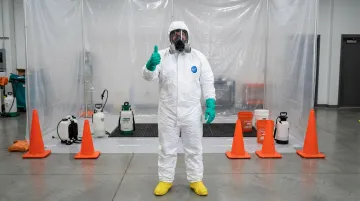
You can't see asbestos fibers or mold spores, but they can cause serious harm. That's why professionals use extensive PPE based on OSHA standards. The level of protection depends on the hazard, but typically includes:
- Disposable Coveralls: To prevent contaminants from settling on clothing.
- Gloves and Foot Coverings: To ensure no skin contact with hazardous materials.
Proper Ventilation and Air Filtration
Managing airflow is crucial. To control the environment, professionals use essential tools like negative air machines and air scrubbers. They create a controlled environment that captures airborne particles, preventing them from spreading to clean areas of the property and protecting the health of everyone inside.
Adherence to Regulatory Standards
Beyond on-site procedures, a reputable company operates in full compliance with all relevant regulations from the EPA, OSHA, and state agencies like the Massachusetts DEP. This commitment ensures that work is performed safely, workers are protected, and all hazardous waste is disposed of legally and responsibly.
Why Asbestos Removal Is Not a Homeowner Task
Handling contamination issues without proper certification and equipment can create serious health and legal risks. Certified professionals provide the training, containment, and regulatory compliance needed for a safe outcome.
You should always call a professional in these situations:
- Regulated Materials: Federal and state laws require that materials like asbestos and lead-based paint be handled only by licensed and certified professionals. There is no DIY option here.
- Widespread Contamination: If you find mold covering an area larger than 10 square feet (roughly a 3x3 foot patch), the EPA recommends calling in a professional. A large colony suggests a significant underlying moisture problem that requires expert assessment and containment.
- Unknown Substances: If you don't know what a substance is, don't touch it. An expert is needed to identify it, assess the risk, and determine the correct way to handle it safely.
When faced with hazardous materials like asbestos or a serious mold problem in Massachusetts or New Hampshire, you need a team you can trust. Choosing a certified professional who operates in strict adherence to all EPA and OSHA protocols is essential for your family's health and property's safety.
With over 15+ years of experience, Femme Works Solutions provides safe, transparent, and efficient remediation services. As a woman/minority-owned business, we are committed to the highest standards of safety and customer care.
Our bilingual team is here to ensure clear communication, giving you peace of mind from start to finish.
Frequently Asked Questions
What is environmental decontamination?
It is the professional process of removing, neutralizing, or destroying harmful biological or chemical contaminants from an area or surface to make it safe for people to use again.
What are the 4 types of decontamination?
The four main types are Physical Removal (wiping, vacuuming), Chemical Decontamination (using solvents or disinfectants), Disinfection/Sterilization (targeting pathogens), and Environmental Remediation for large-scale cleanups.
What are the 4 stages of decontamination?
A professional project follows four key stages: Site Assessment and Planning, Containment and Preparation, Contaminant Removal and Cleaning, and finally, Post-Decontamination Verification and Disposal.
What's the difference between cleaning, sanitizing, and disinfecting?
Cleaning removes visible dirt and germs. Sanitizing lowers the number of remaining germs to a safe level. Disinfecting uses chemicals to kill nearly all of the germs on a surface.
How do you ensure an area is truly decontaminated after the process?
Verification involves visual inspections and independent, third-party lab testing of air and surface samples. This process confirms contaminant levels are safely below established regulatory limits.