Ignoring mold won't make it go away. In fact, it will only allow the problem to spread, compromising your home's air quality and integrity. This guide will walk you through the real health dangers of mold exposure, uncover the root causes of its growth, provide a step-by-step cleanup process for small issues, and help you decide when it's time to call in a professional.
Key Takeaways
- Health Risks: Exposure can cause allergic reactions, respiratory issues like coughing and wheezing, headaches, and long-term complications for sensitive individuals.
- Root Cause: Mold growth is always fueled by excess moisture. To solve the problem for good, you must fix the underlying water source, whether it's a leak, condensation, or high humidity.
- Removal Steps: The basic process involves assessing the area, containing the spread, safely removing contaminated materials, cleaning surfaces, and drying the area completely.
- When to Call a Pro: For any mold growth larger than 10 square feet, if it's in your HVAC system, or if you have underlying health conditions, professional remediation is essential for your safety.
Understanding Toxic Mold and Its Dangers
Mold is a type of fungus that thrives in damp, dark environments. The term "toxic mold" is commonly used to describe mold species capable of producing mycotoxins—harmful compounds that can be inhaled, ingested, or absorbed through the skin. While the mold itself isn't poisonous, these mycotoxins are the source of health concerns.
One of the most well-known toxigenic molds is Stachybotrys chartarum, or "black mold." However, experts from the CDC emphasize that any visible mold should be removed, regardless of its color or type, as many different species can trigger health problems.
Common Health Risks and Symptoms of Mold Exposure
According to the U.S. Environmental Protection Agency (EPA), mold exposure can affect people differently, with symptoms ranging from mild to severe.
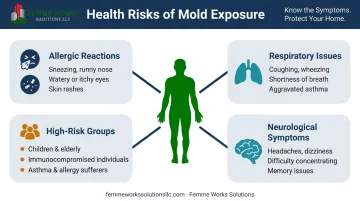
- Allergic reactions: The most common response to mold, with symptoms similar to seasonal allergies like sneezing, a runny nose, itchy eyes, and skin rashes (dermatitis).
- Respiratory issues: Inhaling spores can irritate airways, leading to coughing, wheezing, and shortness of breath. For people with asthma, it can trigger more severe attacks.
- Neurological symptoms: Long-term exposure may lead to headaches, brain fog, memory issues, and fatigue. While sometimes called "toxic mold syndrome," a direct causal link from inhaled mold is not yet medically proven.
- Serious infections in vulnerable groups: The CDC warns that infants, children, the elderly, and individuals with compromised immune systems face a higher risk of serious infections from mold exposure.
The Root Causes of Mold Growth in Your Home
Mold cannot grow without moisture. To solve a mold problem for good, you must find and eliminate the water source. If you've discovered mold, check for these common culprits:
- Direct water leaks from dripping pipes, cracked foundations, leaky roofs, or malfunctioning appliances.
- High humidity and condensation in poorly ventilated areas like bathrooms and kitchens. The EPA recommends keeping indoor humidity at 30-50% to prevent growth.
- Flooding or major water damage that is not completely dried within 24-48 hours, creating a high-risk environment for rapid mold growth.
Step-by-Step Guide to Safe Mold Remediation
Our Professional Mold Remediation Process
Important Safety Notice: While some guides suggest DIY methods for small mold spots (under 10 sq. ft.), we strongly advise against it. Improper handling can spread spores and create a larger problem. The following steps outline the professional process our certified technicians use to ensure complete and safe remediation.
Step 1: Assess the Damage
Our process begins with a thorough inspection to determine the extent of the growth and identify the underlying moisture source. Our certified technicians arrive equipped with professional-grade containment systems, HEPA filtration equipment, and the full personal protective equipment required under EPA, OSHA, and DEP protocols before any work begins.
Step 2: Contain the Area
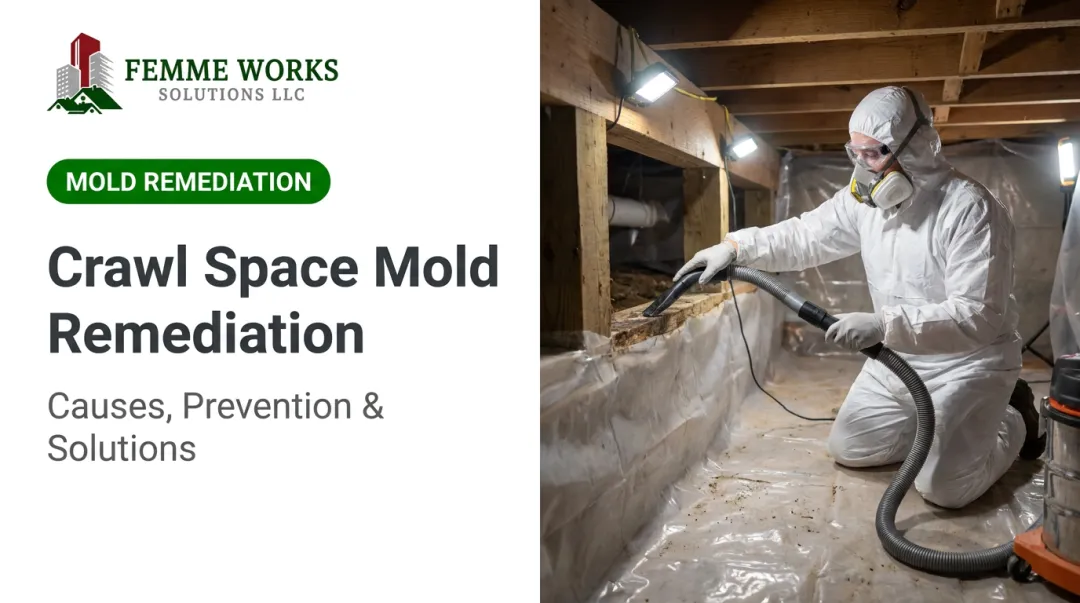
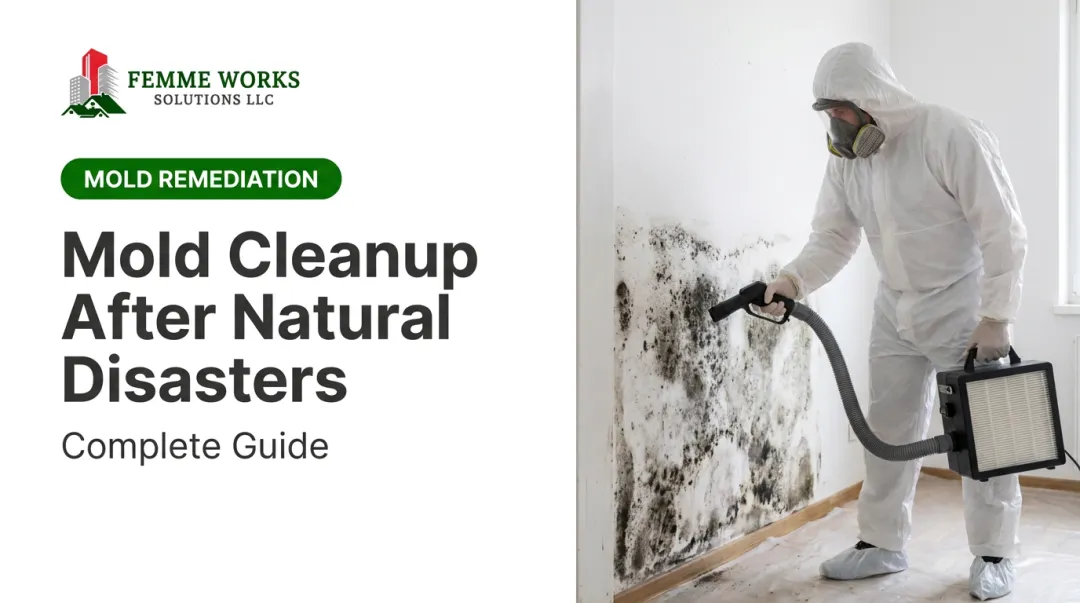
Mold spores become airborne easily, spreading contamination. To prevent this, our team establishes a sealed containment zone. We shut down your HVAC system, seal all vents and doorways with heavy-duty plastic sheeting, and use negative air machines with HEPA filtration to ensure contaminated air is safely exhausted outside.
Step 3: Remove and Clean
Our removal and cleaning methods are tailored to the material.
- Hard, Non-Porous Surfaces (tile, glass, metal): We scrub affected areas using specialized, EPA-approved antimicrobial solutions. Unlike household bleach, which can be ineffective, our treatments eliminate mold at the source without releasing additional spores.
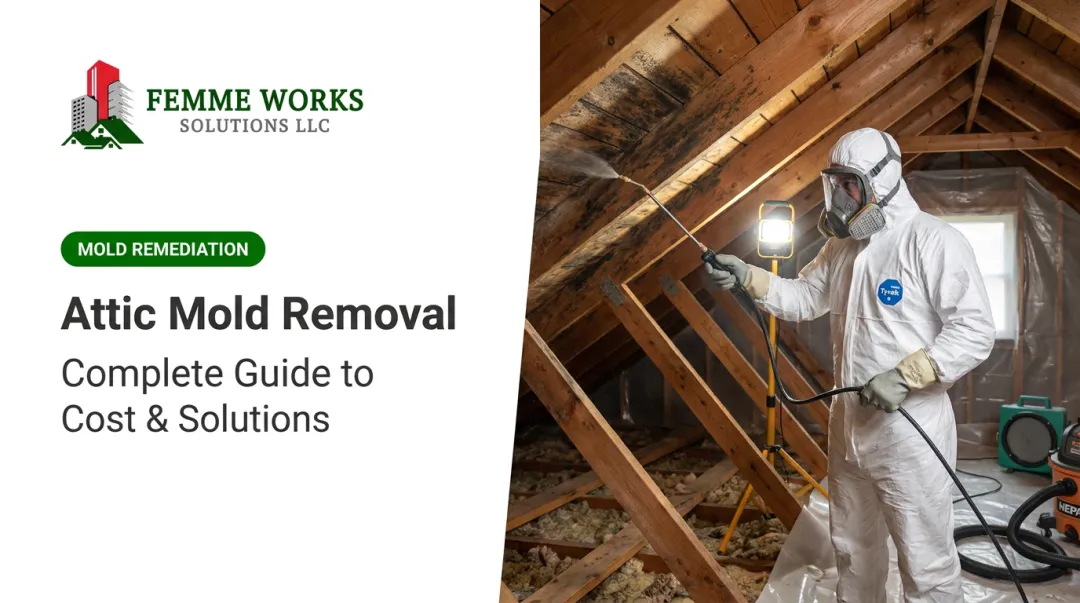
- Porous Materials (drywall, carpet, insulation): These materials are nearly impossible to clean completely once mold has penetrated them. The safest approach is to have our technicians safely cut out and remove all contaminated sections. We double-bag them in heavy-duty (6-mil) plastic and dispose of them according to strict state and local regulations.
Step 4: Dry and Verify
This is the most critical step to prevent regrowth. Simply cleaning mold is not enough; the area must be returned to a normal moisture level. We use commercial-grade air movers and dehumidifiers to thoroughly dry all affected surfaces. Using moisture meters, we verify that hidden dampness in walls or subfloors is eliminated, ensuring the problem is fully resolved.
Why Professional Remediation is the Right Choice
Mold remediation involves health risks and technical requirements that make certified professional service the correct approach. Attempting to remove mold without proper training, containment, and equipment can spread spores and leave contamination behind.
When to Call a Professional
It's time to call in the experts in these situations:
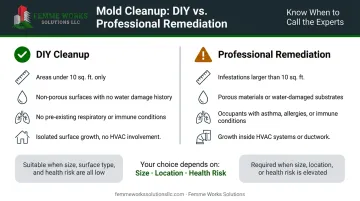
- Large Infestation: The mold growth covers more than 10 square feet or is present in multiple locations.
- Hidden Mold or HVAC Contamination: You smell mold but can't see it, or you suspect it has entered your heating and cooling system. Running a contaminated HVAC system can spread spores throughout the entire house.
- Severe Water Damage: The mold is the result of a major flood or contaminated water, such as a sewage backup.
- Health Concerns: Someone in your household is in a high-risk group or is already experiencing symptoms.
Certified professionals have the training and specialized equipment to handle hazardous situations safely. They use containment strategies, HEPA air scrubbers, and negative air machines to eliminate mold without cross-contamination.
A licensed team, like Femme Works Solutions, follows strict EPA and OSHA guidelines to ensure the job is done right. This comprehensive approach protects your family’s health and your property's value.
How to Prevent Future Mold Growth
The best way to deal with mold is to prevent it from growing in the first place. Prevention all comes down to one thing: controlling moisture.
- Control humidity by keeping indoor levels below 50%. Use dehumidifiers in damp areas like basements and run exhaust fans in bathrooms and kitchens.
- Fix leaks promptly by addressing any water from your roof, foundation, or plumbing as soon as you discover it.
- Ensure proper ventilation to improve air circulation. Open windows when possible and make sure your attic, crawlspace, and dryer vents are clear.
While prevention is key, existing mold requires professional attention. If you spot or suspect mold growth despite these efforts, it’s crucial to contact a certified remediation specialist.
Frequently Asked Questions
What are the symptoms of mold toxicity?
Symptoms range from allergic reactions (sneezing, rashes) and respiratory issues (coughing) to neurological problems like headaches and brain fog after long-term exposure. Severity varies by person.
How do you recover from mold toxicity?
The first and most critical step is to remove the source of exposure by having the mold professionally remediated. After that, consult a healthcare professional who can provide personalized medical advice for managing your symptoms.
Is it safe to live in a house with black mold?
No, it is not safe. Black mold (Stachybotrys chartarum) can produce mycotoxins linked to serious health risks. Any visible mold growth requires prompt professional remediation.
Can I just paint over mold?
No. Painting over mold just hides the problem and traps moisture, allowing it to grow underneath. The mold and its moisture source must be fully eliminated before you can paint.
What is the difference between mold and mildew?
Mildew is a flat, surface-level fungus, usually gray or white. In contrast, mold is often fuzzy or slimy and its roots can penetrate deep into materials, causing more significant damage.
How much does professional mold remediation cost?
Every project is different. Cost depends on an individual assessment of the job, including the size and location of the infestation, access conditions, materials affected, and containment needs. A certified company like Femme Works Solutions can provide a free inspection and a precise quote.