The answer depends entirely on one critical factor: whether the ceiling material contains asbestos. This guide will walk you through how to identify the risk, understand the requirements for safe removal, and make the best choice for your home and family.
TL;DR: Popcorn Ceilings & Asbestos Safety
- Popcorn ceilings installed between the 1950s and early 1980s may contain asbestos.
- You cannot identify asbestos by sight; professional lab testing is the only way to know for sure.
- If asbestos is present, a certified Hazmat/asbestos abatement team is legally required for removal.
- Whether or not asbestos is present, hiring a certified contractor is the safest and most effective option for popcorn ceiling removal.
- Encapsulation (sealing) or covering the ceiling are safe alternatives to full removal.
The Hidden Danger: Why Popcorn Ceilings Can Be Hazardous
Acoustic or "popcorn" ceilings were a common feature in American homes built from the 1950s through the early 1980s. They were cheap, easy to apply, hid imperfections, and provided some sound dampening. To improve fire resistance and durability, many of the spray-on mixtures included asbestos fibers.
While the use of asbestos in ceiling treatments was banned by the EPA in 1978, existing stock of these products was still used for several years afterward.
The danger isn't the ceiling itself, but what happens when it's disturbed. Asbestos only becomes a health risk when its microscopic fibers become airborne—a state known as "friable."
Activities like scraping, sanding, drilling, or even damage from a water leak can release these fibers. Once inhaled, they can get trapped in the lungs and lead to serious diseases like asbestosis, lung cancer, and mesothelioma, often decades after the initial exposure.
The First Critical Step: Testing for Asbestos in Your Ceiling
Before you touch that ceiling, you must determine what it’s made of. It is impossible to tell if a material contains asbestos just by looking at it. The only way to know for certain is to have a sample analyzed by an accredited laboratory.
The process involves carefully collecting a small piece of the ceiling material and sending it for testing. While DIY test kits exist, we strongly advise against collecting the sample yourself. Improper handling can easily release dangerous fibers, creating the very hazard you’re trying to avoid.
Hiring a certified asbestos professional, like the team at Femme Works Solutions, is the safest approach. Our trained technicians follow strict protocols to collect samples without contaminating your home.
This step is not just a recommendation—it’s often the law.
- In Massachusetts, state regulations (310 CMR 7.15) require a professional asbestos inspection before any renovation or demolition begins.
- In New Hampshire, an asbestos survey is required for any renovation project that uses a contractor.
If Your Ceiling Tests Positive: Understanding Hazmat Requirements
If the lab report comes back positive for asbestos, the answer is clear: you absolutely need a certified Hazmat and asbestos abatement team for removal. This is not a DIY project under any circumstances.
Asbestos-containing materials must be removed by a licensed certified abatement team. Any removal without proper certification creates serious health risks and legal liability.
What "Hazmat Procedures" Involve
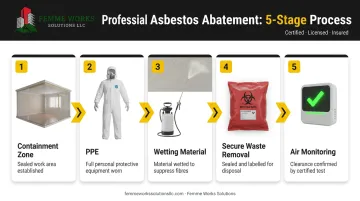
Professional asbestos abatement is a highly controlled process designed to protect everyone. Here’s what that process involves:
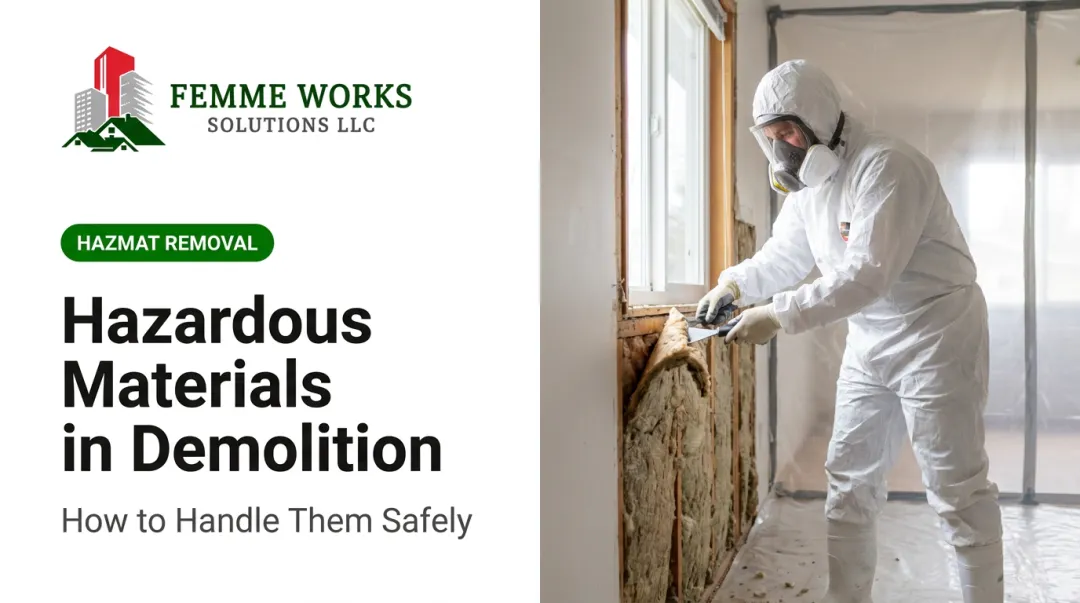
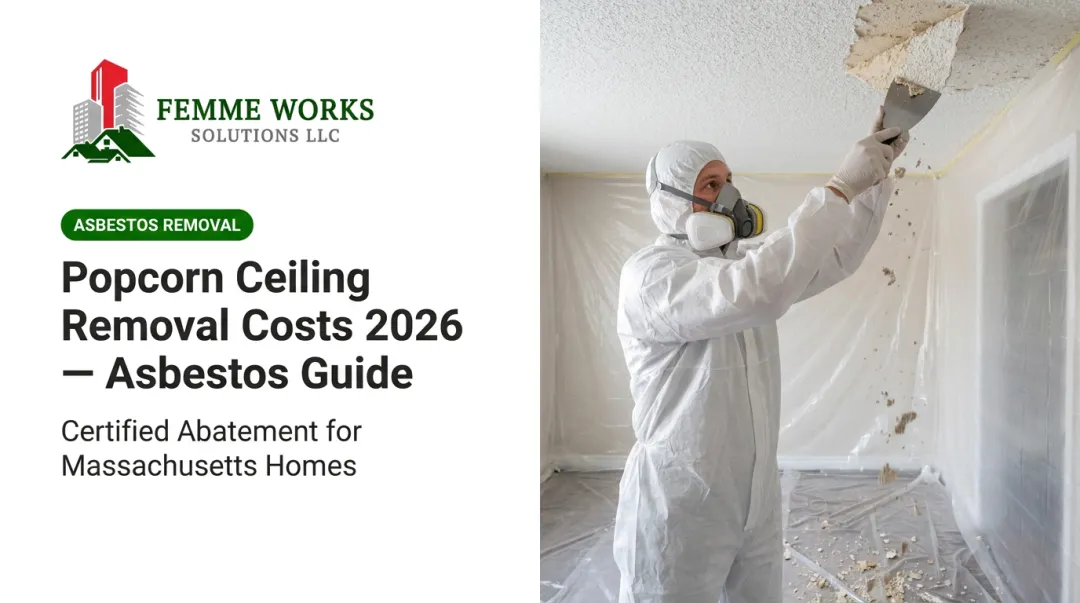
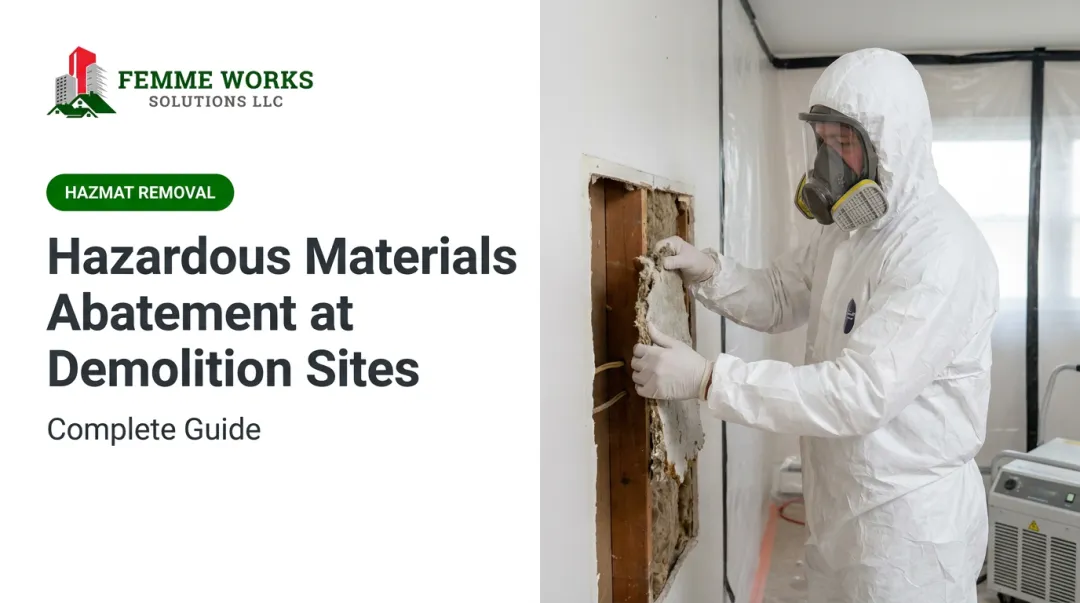
- Establishing a full containment zone by sealing the work area with heavy plastic sheeting and using negative air pressure systems to prevent fiber leakage.
- Wearing comprehensive Personal Protective Equipment (PPE), including full-body disposable suits and specialized respirators, to prevent any contact with asbestos fibers.
- Applying a special wetting solution to the ceiling material, which minimizes dust and keeps fibers from becoming airborne during removal.
- Placing all waste in specially labeled, leak-tight bags and cleaning the area with HEPA vacuums. Air monitoring is then performed to confirm the space is safe.
- Transporting and disposing of asbestos waste at a licensed facility according to strict EPA, MassDEP, and local regulations.
If Your Ceiling is Asbestos-Free: Your Removal Options
If your test results come back negative for asbestos, you can breathe a sigh of relief. The project is now simpler and does not require Hazmat protocols. However, even asbestos-free popcorn ceiling removal generates substantial dust and debris. Hiring a professional removal specialist is the recommended approach regardless, as they use containment, HEPA filtration, and proper disposal to protect your home.
Hiring a Professional Removal Specialist
A less messy and far more effective option is to hire a professional removal company. Even without asbestos, abatement specialists use containment and air filtration systems to prevent dust from spreading throughout your home.
Their expertise ensures the job is done quickly, cleanly, and safely. They also prepare the ceiling for the next steps, like repairing drywall damage and skim-coating, ensuring a smooth hand-off to your painter for a flawless finish.
Beyond Removal: Encapsulation and Covering as Safer Alternatives
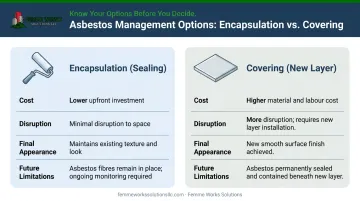
Even if your ceiling contains asbestos, full removal isn't your only choice. The EPA notes that asbestos-containing material in good condition and left undisturbed is not necessarily a risk. Two safer and often more affordable alternatives are encapsulation and covering.
Encapsulation: Sealing the Surface
This method involves treating the ceiling with a special sealant or a few coats of paint. The coating binds the asbestos fibers together and coats the surface, preventing them from being released into the air.
Key considerations for encapsulation include:
- Effective Containment: It's a less expensive, non-disruptive way to safely contain the asbestos hazard.
- Future Limitations: The asbestos remains, meaning the ceiling cannot be disturbed later (e.g., for installing new lights) without professional precautions.
Covering: Installing a New Ceiling Layer
Another excellent option is to cover the entire popcorn ceiling with a new, clean layer. This is typically done by installing 1/4-inch or 1/2-inch drywall directly over the existing ceiling. Modern ceiling planks or beadboard panels are also great choices.
Key considerations for covering include:
- Permanent & Modern Finish: This method permanently contains the asbestos and gives you a brand-new, updated ceiling.
- Cost & Space Trade-offs: It can be more expensive than encapsulation and slightly reduces your total ceiling height.
Deciding between these options depends on your budget, future renovation plans, and the current condition of your ceiling. Consulting with a licensed asbestos abatement professional can help you determine the safest and most effective solution for your home.
Why Trust a Certified Professional for Popcorn Ceiling Removal in MA & NH
When asbestos is a possibility, the health and legal stakes require a licensed certified professional. Choosing a specialized, licensed company like Femme Works Solutions ensures the removal is handled safely and correctly from start to finish.
With over 15 years of experience serving homeowners across Massachusetts and New Hampshire, our process is designed to provide complete confidence.
- Adhere to strict compliance standards: We are fully licensed and insured, following all regulations from the EPA, OSHA, and MassDEP to protect you from liability and keep your family safe.
- Use state-of-the-art equipment: Our team utilizes HEPA filtration systems, negative air machines, and professional-grade containment to handle any project efficiently and effectively.
- Gain complete peace of mind: Our reputation is built on reliability and clear communication, backed by over 80 five-star Google reviews. We make a stressful process feel straightforward and secure.
Frequently Asked Questions
Do you have to test for asbestos when removing a popcorn ceiling?
Yes. In states like Massachusetts and New Hampshire, professional testing is legally required before most renovation projects. It's also the only way to guarantee the safety of your home and family before starting work.
Do you need a license for popcorn removal?
If the ceiling contains asbestos, the removal must be performed by a state-licensed asbestos abatement contractor. No special license is needed for asbestos-free ceilings, but hiring an experienced painter or contractor is still advised for the best results.
Can I just paint over a popcorn ceiling that has asbestos?
Yes, this is a method called encapsulation. Painting over the surface can seal in the asbestos fibers, but it doesn't eliminate the hazard. The ceiling must remain intact and undisturbed to be safe.
How can you tell if a popcorn ceiling has asbestos just by looking at it?
You can't. There are no visual cues to confirm the presence of asbestos. The only definitive method is to have a sample analyzed by an accredited laboratory using Polarized Light Microscopy.
What are the health risks of asbestos in popcorn ceilings?
When disturbed, popcorn ceilings can release asbestos fibers into the air. Inhaling these fibers can cause serious, life-threatening lung diseases, including asbestosis (lung scarring), lung cancer, and mesothelioma.
What does professional asbestos abatement involve?
Professionals contain the work area with plastic and negative air pressure, wear specialized personal protective equipment (PPE), and wet the material to control dust. All waste is then securely bagged and disposed of at a licensed facility.