As buildings constructed in the mid-20th century reach the end of their lifecycle, the dormant threat of asbestos becomes an active concern. Understanding the forces shaping the removal and remediation industry isn't just about compliance—it's about protecting public health and making informed decisions for the future. This article explores the key trends, driving forces, and future outlook for the asbestos abatement market through 2026.
TL;DR: Asbestos Abatement Market at a Glance
- Stricter Regulations: Increased enforcement from bodies like the EPA and OSHA is driving demand for professional, compliant services.
- Tech Advancements: Robotics, AI-powered detection, and advanced filtration are making abatement safer and more efficient.
- Renovation Boom: The push to modernize aging infrastructure is a primary catalyst for market growth.
- Safety & Sustainability Focus: A greater emphasis on worker safety and green building practices is shaping abatement methods.
- Market Growth: The market is projected to see steady growth, driven by health awareness and regulatory pressure.
Top 5 Asbestos Abatement Market Trends to Watch in 2026
The asbestos abatement industry is evolving rapidly. A combination of stricter regulations, new technology, and aging infrastructure is defining the market's future.
1. Increasingly Stringent Regulations and Enforcement
Government agencies are leaving no room for error when it comes to asbestos. The Environmental Protection Agency (EPA) and the Occupational Safety and Health Administration (OSHA) are continuously refining regulations to minimize exposure risks. For instance, the EPA's recent risk evaluations are expanding the scope of what is considered a hazardous legacy use.
In 2024, the EPA finalized a rule to prohibit ongoing uses of chrysotile asbestos and released a supplemental risk evaluation for legacy uses, determining that disturbing asbestos in older materials like tiles and insulation poses an unreasonable health risk. This regulatory pressure forces abatement companies to invest heavily in certified training, compliant equipment, and meticulous documentation, effectively pushing unqualified operators out of the market.
2. Technological Advancements in Abatement and Detection
Technology is transforming how asbestos is identified and removed, making the process safer and more efficient. The industry is moving away from purely manual methods and embracing innovation.
Key technological shifts include:
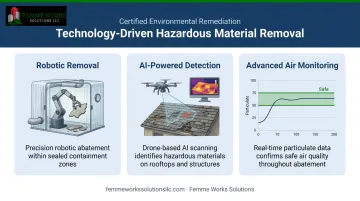
- Robotic Removal: Remote-controlled demolition bots and robotic arms equipped with HEPA vacuums are being deployed in hazardous or hard-to-reach areas. These systems drastically reduce human exposure to airborne fibers.
- AI-Powered Detection: Researchers are developing computer vision systems that can analyze aerial imagery to identify asbestos-containing roofing materials with high accuracy, allowing for proactive city-wide assessments.
- Advanced Air Monitoring: Real-time fiber monitors provide immediate data on air quality within a containment zone. This technology allows supervisors to verify worker safety and containment integrity instantly, rather than waiting hours for lab results.
3. Surge in Demand from Renovation and Demolition Projects
A primary driver of market growth is aging infrastructure. A huge portion of the commercial, educational, and residential buildings constructed before the 1980s are now slated for major renovations or demolition.
This aging infrastructure creates a significant risk of asbestos disturbance. According to the National Center for Education Statistics, the average age of a main instructional building in U.S. public schools was 49 years in 2023. With nearly half of all commercial buildings constructed before 1980, mandatory asbestos surveys are a prerequisite for most structural work, fueling a steady demand for qualified abatement contractors.
4. Greater Emphasis on Worker Safety and Sustainable Practices
The health of abatement technicians is a top priority. This has led to advancements in Personal Protective Equipment (PPE), more rigorous decontamination protocols, and the standard use of negative air pressure enclosures to prevent fibers from escaping the work area.
Simultaneously, a push for sustainability is influencing waste disposal. "Green demolition" practices focus on carefully segregating waste streams. Asbestos-containing materials are isolated and disposed of according to strict hazardous waste protocols, allowing non-contaminated materials like metal, concrete, and wood to be recycled. This approach minimizes the environmental footprint of large-scale demolition projects.
5. Expansion of Services into Environmental Remediation
Leading abatement firms are expanding beyond buildings. They are broadening their services to include environmental remediation, particularly the cleanup of asbestos-contaminated soil.
This trend is driven by two main factors:
- Infrastructure Projects: Highway expansions and utility work can unearth legacy asbestos from old pipelines or illegally dumped materials.
- Brownfield Redevelopment: The process of cleaning up and redeveloping former industrial sites often involves remediating soil contaminated with asbestos and other hazardous substances.
This expansion requires a more complex skill set, blending traditional abatement with environmental science and large-scale project management.
Key Drivers Shaping the Asbestos Abatement Market
These trends are propelled by several underlying forces that create consistent demand for professional asbestos services:
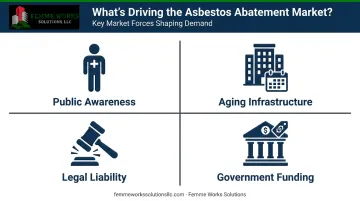
- Heightened public awareness of diseases like mesothelioma makes property owners, corporations, and school districts more proactive about addressing potential hazards.
- As aging infrastructure deteriorates, materials like pipe insulation and ceiling tiles can release asbestos fibers, turning a dormant problem into an immediate health risk.
- Strict requirements from insurance carriers and the immense legal liability of asbestos exposure provide a powerful financial incentive for owners to hire certified professionals.
- Government funding initiatives, such as the EPA's Brownfields Cleanup Grants, offer resources for hazardous material removal and directly support abatement projects.
The Real-World Impact of These Trends on the Abatement Industry
These market shifts have practical consequences for everyone involved, from the property owner paying for the service to the technician performing the work.
For Property Owners & Managers
While stricter compliance may increase initial costs, the long-term benefits are significant:
- Safer, faster project completion from firms using modern technology.
- Drastically reduced legal and financial liability, protecting your investment.
- Greater peace of mind knowing the job is done right and fully compliant.
For Contractors & Abatement Firms
The message is simple: adapt or be left behind.
- Continuous investment in new technology, equipment, and training is essential.
- Firms that prioritize safety and innovation will gain a significant competitive edge.
- Companies relying on outdated methods will struggle to compete and meet compliance.
For the Workforce
The focus on safety and technology is a major win for workers.
- A healthier, safer work environment thanks to better equipment and procedures.
- Growing demand for skilled technicians certified to operate modern equipment.
- Better career opportunities and professional growth in a specialized field.
Choosing a Future-Ready Asbestos Abatement Partner
Navigating these trends requires a partner who is not just compliant today but is prepared for tomorrow. When selecting an asbestos abatement contractor, look for a company that embodies these modern principles.
Verify Certifications and Compliance
Don't take chances. Your contractor must be fully licensed, insured, and able to demonstrate strict adherence to all EPA, OSHA, and state-specific regulations, such as those from the Massachusetts Department of Environmental Protection (DEP). This is the absolute baseline for any qualified firm.
Look for Experience and Local Knowledge
An experienced contractor understands the nuances of local building codes and the common types of asbestos-containing materials used in your region's construction history. For example, a firm like Femme Works Solutions, with over 15 years of experience in Massachusetts and New Hampshire, has the deep regional knowledge to identify and manage hazards in everything from historic Boston brownstones to Lowell triple-deckers.
Prioritize Transparency and Communication
A modern, trustworthy partner provides clear, consistent communication and transparent pricing from start to finish. A company’s reputation is a powerful indicator of its commitment to customer satisfaction. A track record of positive feedback, such as 97+ five-star Google reviews and a bilingual Spanish-speaking team, shows a deep commitment to serving its clients and community effectively.
Frequently Asked Questions
How much does asbestos removal cost?
Costs vary widely based on the type of material, its location and accessibility, and the overall project size. A professional inspection and assessment is the only way to receive an accurate, detailed quote for your specific situation.
What is driving the growth of the asbestos abatement market?
The primary drivers are stricter government regulations, the large number of aging buildings requiring renovation or demolition, and increased public and corporate awareness of the severe health risks associated with asbestos exposure.
Are asbestos regulations likely to become stricter?
Yes, all indicators point toward a continued trend of stricter federal and state regulations. The goal is to further protect public health and enhance worker safety by minimizing any potential for asbestos fiber release.
How is technology changing the asbestos removal process?
Technology is making the process significantly safer and more efficient. Robotics reduce human exposure in high-risk areas, AI helps identify problem materials sooner, and advanced air monitoring provides real-time safety verification.
What is the difference between asbestos abatement and remediation?
Asbestos abatement specifically refers to the processes of controlling fiber release, such as removal, encapsulation, or enclosure. Remediation is a broader term for the entire project of cleaning up and restoring a contaminated environment, which may include abatement as one of its steps.
How do I choose a qualified and compliant asbestos abatement company?
Look for a contractor with valid state/federal licenses, full insurance, and certified workers. Always check their compliance history, review past projects, and ask for references to ensure a proven safety record.